Skip to content


When Do Kids Learn to Read?
What Age Is Normal and How to Help Your Child at Home
If you’ve been asking yourself, “when do kids learn to read?”, you’re not alone.
It’s one of the most searched questions by parents—and one of the most confusing. You might be wondering if your child is behind, ahead, or right where they should be. You may also be trying to understand how phonics, pre-reading skills, and language skills all fit together in your child’s reading journey.
Here’s the truth:
👉 There is a wide range of normal when it comes to when kids learn to read.
But understanding what’s normal and what actually helps makes all the difference in your child’s reading progress and confidence.
If you’re trying to connect reading skills with your child’s overall learning plan, The Ultimate Guide to Choosing a Preschool Homeschool Curriculum will walk you through exactly what your child should be learning and how to support them step by step. It’s especially helpful for parents who want to help their children develop a strong foundation before formal academics begin.
Let’s break this down so you feel confident moving forward.
When Do Kids Learn to Read on Average?
So, when do kids learn to read?
👉 Most children begin learning to read between ages 4 and 7.
But that doesn’t mean reading suddenly starts at age 4 or 5. Children at different ages may start reading at different times, and that’s okay.
In reality:
- Reading development begins as early as infancy.
- Most children start recognizing letters and sounds between ages 2–5.
- Independent kids reading typically develops between ages 5–7, according to CDC developmental milestones.
If you’ve been wondering:
- When do kids start reading?
- What age do children learn to read?
The answer depends less on age—and more on exposure, skill development, and the kind of preschool program or early education experiences they’ve had. A toddler listening to stories and playing with alphabet toys is already taking an important step in learning to read.
Some children in a language-rich home or a curriculum for early learners may begin sounding out written words earlier. Others, even in strong preschool curriculum options, may need more time. Both can still be perfectly on track as they move through typical reading milestones.

When Do Kids Learn to Read vs. When Do They Start Learning?
This is where many parents get confused.
There’s a difference between:
👉 Learning to read (the process)
👉 Reading independently (the result)
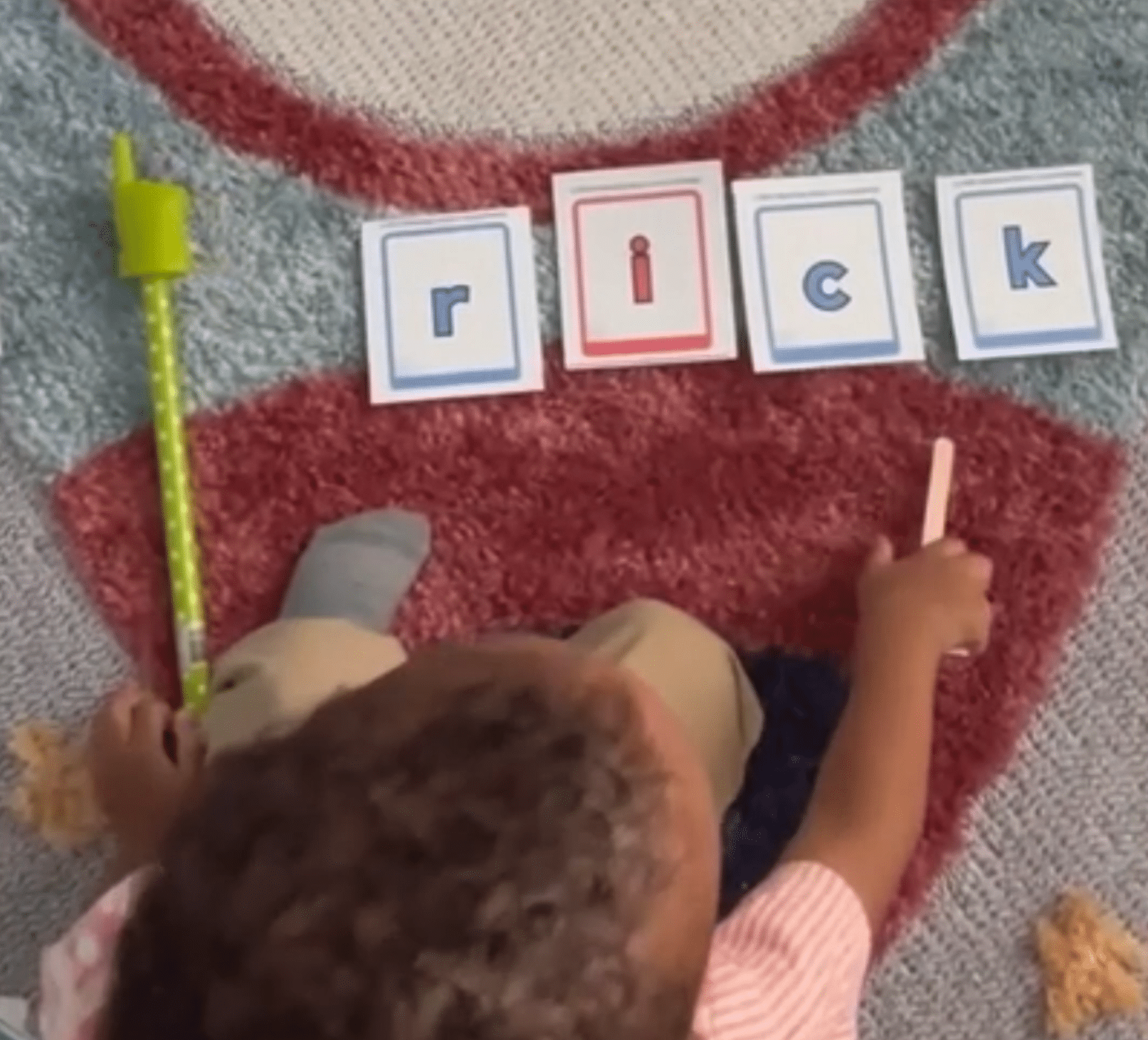
Children start learning to read long before they can actually recognize words or read sentences on a page. Even your toddler who loves turning the pages of a board book is building important pre-reading skills.
Early Reading Development Looks Like:
- Listening to stories
- Recognizing familiar words (like their name or “STOP” on a sign)
- Singing rhymes and songs
- Noticing letters in everyday life
- Showing interest when you read aloud
- Watching you track text from left to right and top to bottom as you read together
These early experiences build a critical skill called:
👉 Phonemic awareness
This is the ability to hear and play with sounds in words—and it’s one of the strongest predictors of reading success. Long before a child reads books on their own, they’re developing phonemic awareness, vocabulary, and print awareness through simple learning opportunities woven into your day.
They are also quietly learning that letters or combinations of letters stand for sounds, and that those sounds make up spoken and written words. When children are able to connect those letters to sounds, they’re ready for the next step in learning to read.

Why “When Do Kids Learn to Read” Isn’t Just About Age
It’s tempting to compare your child to others. You might hear:
- “My child was reading at 4.”
- “Kindergarteners should already be reading.”
Or you may see homeschooling families online talking about early readers and wonder if you’re behind.
But here’s what matters most:
👉 Kids don’t learn to read just because they reach a certain age.
They learn when they have:
- Consistent exposure to language and books
- Strong foundational language skills and pre-reading skills
- Supportive, structured learning that builds in small steps
Two children can be the same age and be at completely different stages—and both can be on track, especially if their preschool curriculum and environment respect their unique pace.
This is one reason curriculum choices matter. A curriculum designed with development in mind helps you support your little one without pushing them into reading before their mind and motor skills are ready. It also helps children enjoy reading instead of feeling pressured or discouraged.
What Age Do Kids Learn to Read Based on Skills
If you really want to understand when kids learn to read, look at reading readiness skills instead of just the number on a birthday cake.
Key Skills That Determine Reading Success
- Letter Recognition
Can your child identify letters in their name and in simple words? Many three year olds begin noticing and naming letters, especially when a homeschool mom or parent gently points them out in everyday life. Being able to identify letters is one sign your child is moving toward the next step in learning to read. - Letter Sounds and Phonics
Do they know what sounds letters make? This is the bridge between seeing a letter and reading words. A strong preschool curriculum or language arts component will focus on phonics—helping kids connect those letters to sounds—rather than just letter names. - Phonemic Awareness
Can they hear and play with sounds in words? For example, do they enjoy rhyming games, clapping syllables, or identifying the first sound in “mom”? Research from the National Reading Panel (NIH) confirms phonemic awareness is one of the strongest predictors of reading success. - Vocabulary and New Words
Do they understand and use a variety of words? Rich conversations, stories, and play all build vocabulary. As kids build vocabulary, word recognition and reading comprehension become easier later on. - Print Awareness and Book Handling
Do they understand how books and text work—front to back, left to right, and that print carries meaning? Do they enjoy turning the pages, looking at pictures, and noticing letters and words?
Children who develop these skills early often begin reading sooner—but every child develops at their own pace. A gentle approach to preschool and kindergarten allows room for early readers and late bloomers alike.
If you want help spotting these skills in your child, The Ultimate Guide to Choosing a Preschool Homeschool Curriculum explains how these foundations fit into a curriculum for preschool and early learners and what children should learn at each stage.

When Do Kids Learn to Read at Home vs. School?
Many parents wonder if their child will learn faster at home or in school. You might be looking to homeschool and hoping a homeschool preschool curriculum or preschool program will give your child an advantage.
The truth is:
👉 Environment matters more than location.
Children learn to read faster when they have:
- Consistent daily exposure to books and language
- Step-by-step instruction that builds on previous skills
- Engaging, hands-on learning rather than endless worksheets
This is why many parents who teach preschool at home—or simply support learning at home alongside a school program—see strong results. When parents can help their children by reading aloud, playing games with letters and words, and using simple phonics activities, kids develop a stronger foundation.
A thoughtful preschool homeschool schedule that includes read-aloud time, play, and a bit of structured language arts can make a big difference. In these settings, children are able to move at a pace that fits them, and parents can help their children develop skills without pressure.
If you’re trying to figure out what kind of structure your child needs, The Ultimate Guide to Choosing a Preschool Homeschool Curriculum will help you understand exactly what to look for and how to create a plan that works for your family.
Your Child, Their Pace: Signs Your Child Is Ready
Instead of asking only “when do kids learn to read?”, it’s helpful to ask, “is my child ready for the next step?”
Signs Your Child Is Ready for Early Reading Instruction
- They show interest in books and being read to.
- They notice letters on signs, packages, or in their name.
- They enjoy rhyming songs or silly word play.
- They can sit and focus for short, age-appropriate periods.
- Their fine motor skills are developing enough to hold a crayon or pencil, even if writing is still wobbly.
If your child is not showing all of these yet, that’s okay. You can still support their early education with play-based learning opportunities that build language, motor skills, and confidence. Children should learn at a pace that keeps their love of reading and learning intact.
A gentle preschool curriculum designed for early learners will meet them where they are. For example, at 5 years old, one child may start sounding out simple words, while another is still working on being able to identify letters and sounds. Both are moving forward.
How to Teach a Child to Read at Home (Without Overwhelm)
If you’ve been asking:
- How do I teach my child to read at home?
- Where do I start?
You don’t need a complicated system.
You need a simple, consistent approach that fits your family and helps your child enjoy reading instead of dreading it.

Simple Ways to Help Your Child Learn to Read
Read Daily
Even 10–15 minutes builds strong literacy skills. Curling up with your little one and a stack of picture books is one of the best parts of any preschool homeschool schedule. When you read together and talk about the story, kids build vocabulary, word recognition, and reading comprehension.
Teach Letter Sounds and Phonics
Focus on sounds before trying to memorize whole words. This makes decoding much easier and fits beautifully into a strong language arts foundation. Simple games—like matching letters or combinations of letters with pictures that start with that sound—give children a concrete step in learning to read.
Use Play-Based Learning
Songs, games, and movement make learning stick. Think hop-on-the-letter, sound scavenger hunts, and silly rhyming games—learning opportunities that feel like play. These moments help children develop both language skills and confidence.
Repeat Often
Repetition builds confidence and mastery. Short, repeated practice is more effective than long, stressful sessions. When children are able to revisit the same skills over time, they learn how to read more smoothly.
Follow a Structured Plan
Children thrive when learning is predictable. A curriculum designed for preschool and kindergarten can give you ready made lessons so you’re not reinventing the wheel every day. When parents can help their children follow a logical progression—from alphabet and sounds to reading and writing—everyone feels more relaxed.
If you’re a homeschool mom or parent who wants clarity, a done-for-you homeschool preschool curriculum can remove so much guesswork from your homeschool planning.
When Should You Be Concerned About Reading?
While there’s a wide range of normal, there are a few signs that your child may need extra support with their reading milestones.
Signs to Watch For
- Little interest in books or letters by around age 5.
- Ongoing difficulty recognizing letter sounds despite gentle, repeated practice.
- Trouble hearing sounds in words or connecting letters and words.
- Significant frustration or avoidance during reading-related activities.
If you notice these, don’t panic.
Early support can make a big difference. Sometimes the solution is as simple as shifting to more hands-on learning, slowing your pace, or using a curriculum for preschool that breaks reading skills into smaller, manageable steps.
If concerns continue, you can always reach out to a trusted professional (such as a pediatrician, reading specialist, or experienced homeschool mentor) for guidance. Together, you can look at your child’s reading, word recognition, and comprehension and decide on next steps.
When Do Kids Start Reading Independently?
Another common question is:
👉 When do kids start reading on their own?
Most children begin reading simple books independently between:
👉 Ages 5–7
However, this depends on:
- Practice
- Instruction
- Confidence
- The kind of preschool program or homeschool preschool curriculum they’ve experienced
Some children will read earlier, others later—and both can be successful. A three year old who loves letter recognition and sounds might show early signs of blending, while another child needs more time building language and motor skills first. By the time many children are around 5 years old, they may start sounding out simple words, especially if they’ve had consistent exposure to letters and words.
The goal is not to race to independence, but to build a solid, engaging foundation that supports a lifelong love of reading.
The Truth About Early Readers vs. Late Readers
It’s easy to feel pressure when you hear about early readers or see a homeschooling family online whose 4-year-old is reading chapter books.
But here’s what you need to know:
👉 Early readers don’t always stay ahead.
👉 Later readers often catch up quickly.
What matters most is:
- A strong foundation
- Consistent support from caring adults
- Positive learning experiences that protect your child’s confidence
A child who reads later but has rich language experiences, strong motor skills, and a supportive preschool curriculum can thrive just as much as an early reader. When children are able to read and write with confidence later on, few people ever ask exactly when they started.

Why a Step-by-Step System Works Best
When kids learn to read, here’s the key takeaway to remember:
👉 They learn best when skills are taught in a clear, step-by-step order.
Reading is not something children just “pick up.” To truly learn how to read and later understand what they read, children should learn skills in a logical sequence. It requires:
- Intentional teaching
- Gradual progression
- Repetition and reinforcement
Without structure, both parents and children can feel overwhelmed. This is where having a curriculum designed for early learners—one that’s open and go—can transform your days and your child’s reading milestones. A good curriculum for preschool and kindergarten will:
- Start with phonemic awareness and letter sounds.
- Move into blending and simple words.
- Introduce decodable reading in small, supported steps.
- Gradually layer in writing skills and spelling as motor skills allow.
Step by step, kids build the ability to recognize words, read sentences, and eventually develop strong reading comprehension. Over time, your child’s reading will grow from sounding out individual letters and words to understanding what those words mean.
A Simpler Way to Help Your Child Learn to Read
If you’re tired of guessing what to do next, you’re not alone. Many parents want something simple they can follow. That’s where having a done-for-you system helps. Instead of wondering:
- What to teach
- When to teach it
- How to teach it
You can follow a plan that’s already laid out for you. That’s exactly what my Jumpstart Kinder program was designed to do. It gives you:
- Step-by-step lessons you can open and go
- A clear progression from letters to reading
- Simple, multi-sensory activities that fit into real life
So instead of constantly asking “when do kids learn to read?”, you can confidently help your child move forward—at their pace—using a homeschool preschool curriculum that supports both reading and whole-child development. As children are able to move from pre-reading skills to actual reading, parents can help their children celebrate each step.
When Do Kids Learn to Read?
Let’s bring it all together.
👉 When do kids learn to read?
- Most children learn somewhere between ages 4–7.
- Learning begins much earlier through stories, songs, and play.
- Progress depends more on support, environment, and structure than on age alone.
The most important thing you can do is:
✔️ Focus on foundational skills.
✔️ Stay consistent with simple daily routines.
✔️ Follow a clear, structured approach that respects your child’s pace and keeps their love of reading alive.
Over time, your child’s reading will grow from recognizing letters and words to understanding longer texts, and that’s when true reading comprehension begins to blossom.
Your Next Step (Don’t Skip This)
If you’re ready to stop guessing and start feeling confident about your child’s learning journey, here’s your next step:
👉 Read The Ultimate Guide to Choosing a Preschool Homeschool Curriculum.
This guide will help you:
- Understand exactly what your child needs to learn
- Choose the right approach
- Create a clear, confident plan
And if you want a ready-to-use system that walks you through everything step by step, the Jumpstart Kinder program gives you the structure, lessons, and support you need—without the overwhelm. Whether you’re a new homeschool parent, a seasoned homeschool mom, or simply a caregiver looking for the best way to support your little one, remember:
You don’t have to have all the answers.
You just need:
👉 The right guidance
👉 A simple plan
👉 And a starting point.
Because the truth is: Every child can learn to read with the right support. And now—you know exactly how to help yours.
Take the Next Step in Your Child’s Literacy Journey With Confidence
Download My Free Reading Ready for Kinder Parent Guide
L.T. Lyles, M.Ed., is the founder of Reading Ready Foundations and creator of Jumpstart Kinder. With over 30 years of experience as a classroom teacher, reading interventionist, and literacy consultant—she is passionate about equipping parents with the tools to build confident readers from the ground up.