Skip to content

As a parent, one of the most important decisions you’ll make is choosing the right early childhood education for your child. Understanding what early childhood education involves, its importance, and how you can support your child during these formative years can set them up for lifelong success.
This blog post will cover Part 1 of everything parents need to know about early childhood education, including key aspects of learning and developmental milestones. In Part 2, we will cover different childhood education programs; their philosophy,
approach, and classroom environments, and in Part 3, we will look at how to evaluate and choose the right program for your child, and how to support early literacy at home.
Whether you’re looking to understand preschool options, early literacy development, or play-based learning, this guide will help you navigate the world of early childhood education.
What is Early Childhood Education?
Early childhood education refers to the period of learning that occurs from birth to around age eight. It focuses on the holistic development of a child, addressing their social, emotional, cognitive, and physical needs. Quality early childhood education
helps prepare children for formal schooling and lays the foundation for future academic, emotional, and social success.
Why Early Childhood Education Matters
Research shows that the first few years of a child’s life are critical for brain development. By the age of five, a child’s brain is about 90% developed, making the early years a prime time for learning. High-quality early education helps children build
essential skills, such as problem solving, language development, and emotional regulation, which contributes to better academic outcomes later in life. Children who receive early education are more likely to:
- Perform well academically
- Develop strong social skills
- Have better health and well-being as adults

The Key Components of Early Childhood Education
- Play-Based Learning
Play-based learning is central to early childhood education. Through play, children explore, experiment, and learn about the world around them. It allows them to develop critical thinking, creativity, and social skills. While structured activities are important, children learn best when they are free to play and make discoveries on their own.
For parents, its essential to find early learning environments that emphasize play as a learning tool. Whether it’s through building blocks, art activities, or pretend play, children thrive when given the opportunity to explore and learn at their own pace. - Social and Emotional Development
The early years are crucial for developing emotional intelligence. Social and emotional learning teaches children how to:- Understand and manage their emotions
- Build relationships with peers
- Develop empathy and cooperation
- Language and Early Literacy Development
Children with strong social-emotional skills are better equipped to handle stress, communicate effectively, and work well with others. A good Early Childhood Education program will emphasize the importance of Social-Emotional Learning, helping children navigate their emotions and relationships through group activities and cooperative play. - Language and Early Literacy Development
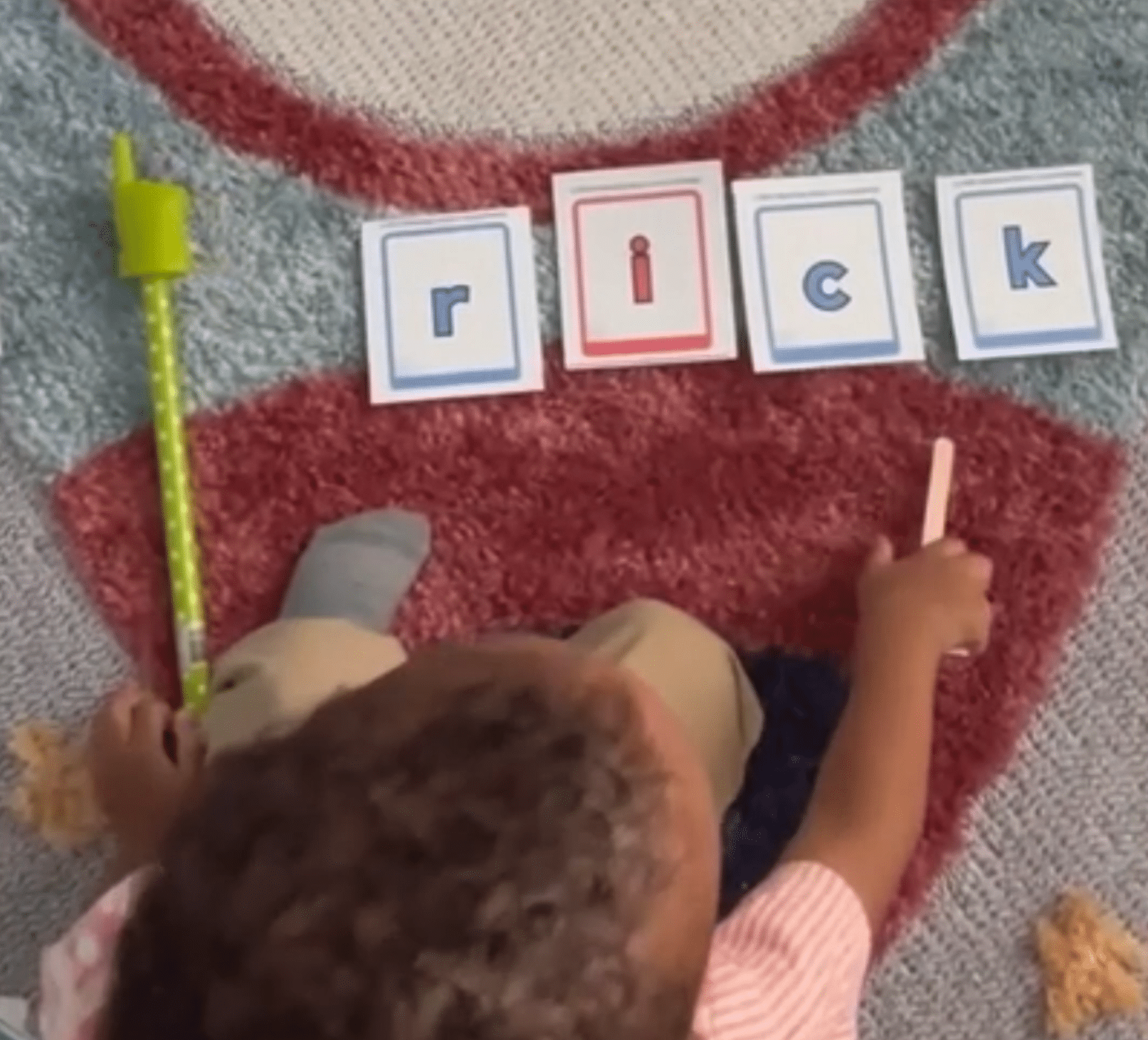
One of the primary goals of early childhood education is to foster early literacy development. Language skills are developed through storytelling, reading, songs, and everyday conversations. Exposure to books, letters, and words from an early age is crucial for developing reading skills.
You can support your child’s language development by reading to them daily, engaging in conversations, and encouraging them to express themselves. Even simple activities like discussing pictures in a book or asking your child to retell a story can boost their early literacy skills. - Cognitive and Problem-Solving Skills
During early childhood, children’s cognitive abilities, such as memory, problem-solving, and logical thinking, are developed rapidly. Early Childhood Education programs provide activities that encourage children to think critically and explore new ideas. For example, building puzzles, engaging in simple science experiments, and playing with patterns help children develop these skills.
Parents can encourage cognitive development by involving children in activities that require thinking and problem-solving. Games that involve counting, sorting, or category are excellent ways to engage a child’s mind.
Try Jumpstart Kinder! for ages 0-5 To see how it supports early literacy skills and builds confident readers from the ground up. - Physical DevelopmentPhysical activity is another crucial aspect of early childhood education. Children need opportunities to develop both gross motor skills (running, jumping, climbing) and fine motor skills (drawing, writing, using scissors). Physical development not only promotes healthy growth but also contributes to coordination, balance, and overall well-being.
Encourage your child to participate in both indoor and outdoor play. Activities like riding a tricycle, playing ball, or engaging in arts and crafts can all support their physical development.
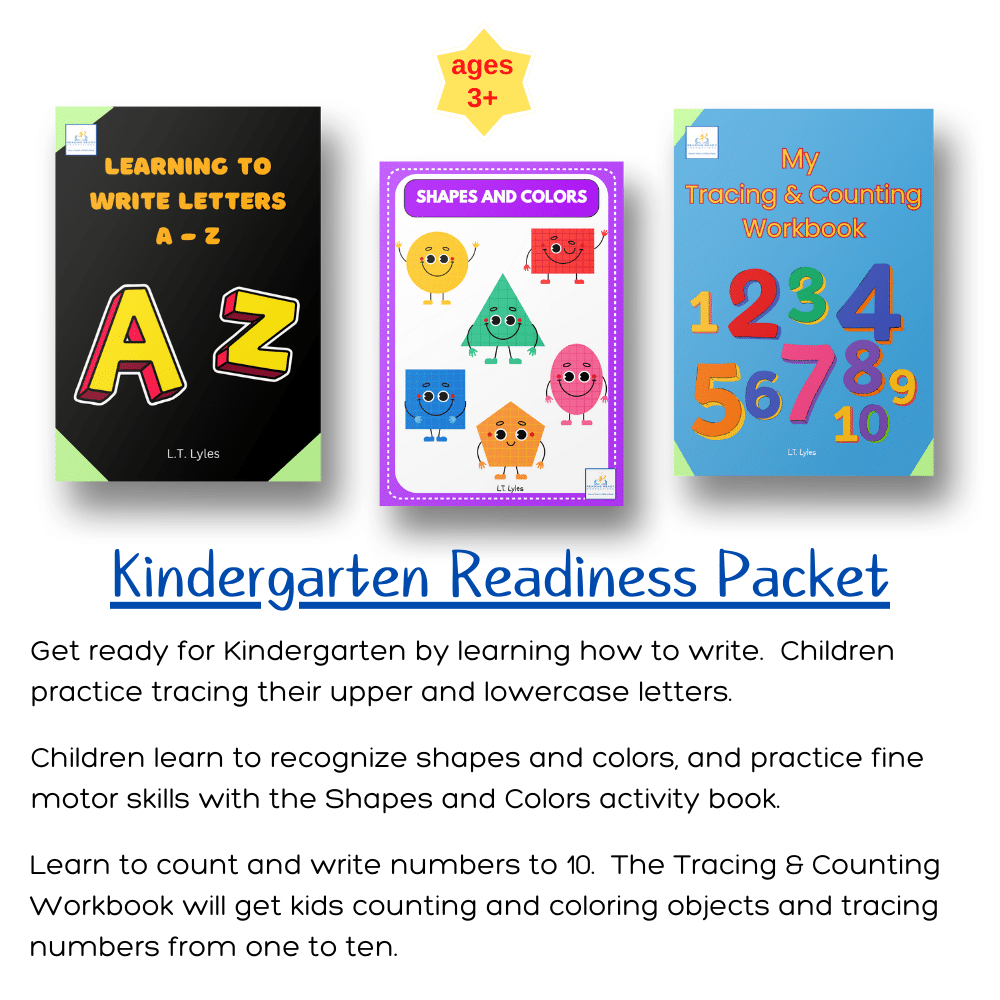
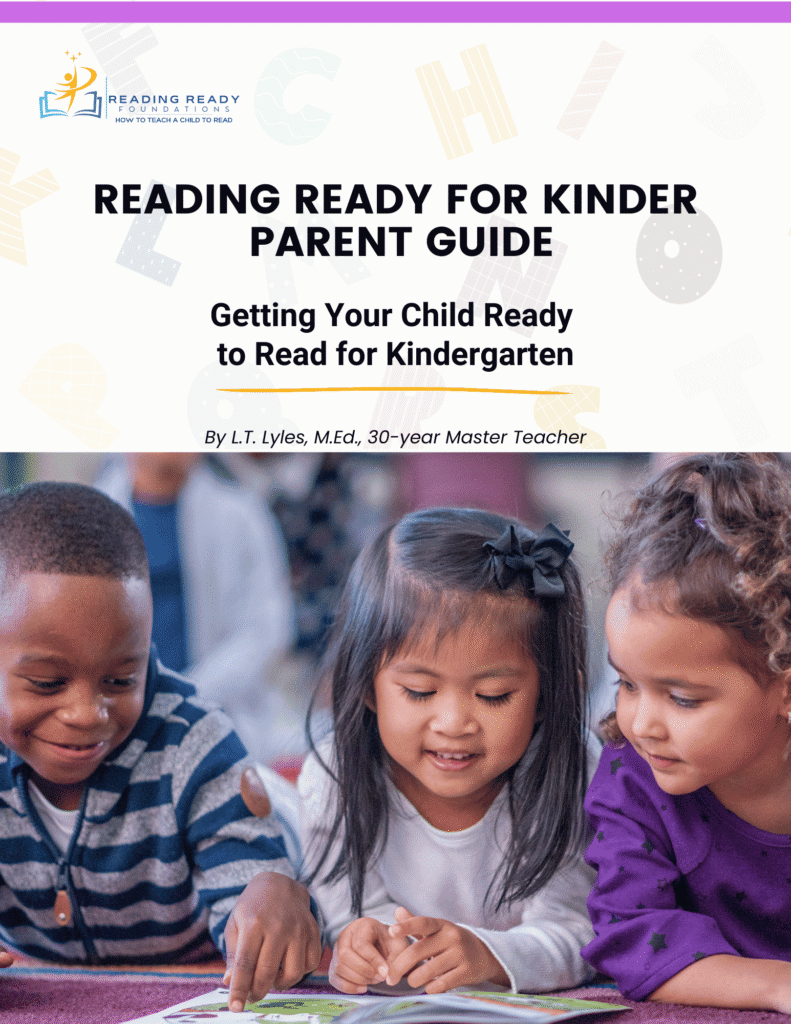
Download our free resources below for more support in early literacy development.