Skip to content

The Ultimate Guide to Choosing a Preschool Homeschool Curriculum That Actually Builds Readers
Introduction: The Preschool Years Matter Most
If you’re reading this, you’re likely one of the millions of parents who has made the beautiful, sometimes overwhelming decision to homeschool your preschooler. Maybe you’ve always known this was your path. Maybe the past few years shifted your thinking. Or maybe you’re simply looking for ways to give your little one a stronger start before kindergarten begins.
Wherever you are on this journey, I want you to hear something important right now: You are exactly the right person to teach your child. You don’t need a teaching degree. You don’t need a preschool classroom full of fancy materials. You don’t need to recreate public school at your kitchen table. What you need is clarity, confidence, and a roadmap that actually works.
I’m L.T. Lyles, and for over 30 years—first as a kindergarten and first-grade teacher, then as a reading interventionist, and now as a literacy consultant—I’ve dedicated my life to understanding how young children learn to read. I’ve sat with struggling readers in third grade and traced their difficulties back to gaps that formed before they ever entered a classroom. I’ve also watched countless children blossom into confident, engaged readers because the right foundations were laid early.
This guide will walk you through everything you need to know about choosing a preschool homeschool curriculum that truly prepares your child for reading success. And along the way, I’ll share why the preschool years are the most critical window for building the skills that matter most.

Why Homeschool Preschool? Understanding Your Learning Opportunities
Many homeschooling families wonder whether delaying formal academics until kindergarten might be the better path. It’s a valid question. After all, children learn through play-based learning, and there’s wisdom in honoring the natural rhythms of early childhood education.
But here’s what three decades of experience has taught me: there’s a profound difference between delaying formal academics and intentionally building literacy foundations. A three-year-old doesn’t need worksheets or formal lessons. But that same three-year-old thrives when learning letter sounds through songs, games, and hands-on activities that feel like free play.
The beauty of homeschooling preschool is that you control the pace and the approach. You’re not bound by institutional timelines. Your preschool at home can honor your child’s need for nature exploration, gross motor development, and plenty of playdough time—while also weaving in the systematic literacy instruction that sets them up for long-term success.
This is the foundation for future learning that many traditional settings struggle to provide. In a busy toddler environment or even a well-intentioned playing preschool program, individualized attention to early literacy often gets lost in the shuffle. But when you’re homeschooling your preschooler, those precious years of learning opportunities become yours to steward intentionally.
What a Preschool Homeschool Curriculum Should Actually Do
Before we dive into specific programs or approaches, let’s step back and ask a fundamental question: What is the point of a preschool curriculum for home education?
For many parents, the answer sounds something like: “I want my child to be ready for kindergarten.” And that’s absolutely right. But here’s where things get muddy. “Kindergarten readiness” means different things to different people. Some think it means knowing the entire alphabet. Others think it means writing skills or recognizing letters. Still others focus on numbers and letters or knowing basic shapes.
All of these matter. But if I could only choose one area to focus on during the preschool years, it would be this: early literacy.
Why? Because research from the National Early Literacy Panel and dozens of studies since has shown that a child’s ability to read by the end of first grade is the single strongest predictor of their long-term academic success. And the skills that make that possible are built between birth and preschool age.

A Truly Effective Preschool Homeschool Program Should:
Build phonemic awareness first. This is the ability to hear, identify, and manipulate individual sounds in spoken words. It has nothing to do with letters—it’s all about what the ears can do. A child with strong phonemic awareness can tell you that “cat” starts with /k/, that “dog” and “log” rhyme, and that you can change “mat” to “bat” by swapping the first sound. This skill is the non-negotiable foundation for everything else.
Teach letter sounds AND letter names together—immediately. Many programs make the mistake of teaching letter names in isolation, then circling back months later to add sounds. This creates unnecessary extra steps in a child’s developing brain. The most efficient, brain-friendly approach is to introduce the letter and its sound simultaneously, right from the start.
Use multi-sensory, hands-on methods. Young children don’t learn by sitting still and listening to formal lessons. They learn by touching, moving, singing, and playing. A curriculum for homeschooling that asks a little one to sit with a pencil and worksheet is fighting against how their brain is wired. A curriculum that has them sky-writing letters with their whole arm, tracing in sand, or stomping out sounds is working with their development.
Follow a logical, sequential order. Skills build upon skills. You wouldn’t teach a child to blend sounds into words before they can reliably identify those sounds. You wouldn’t introduce every letter of the alphabet before practicing the first few in meaningful ways. A strong curriculum has a clear “mastery path” that respects the natural progression of reading development.
Respect your child’s pace—all of it. Some children will grasp letter sounds in days. Others need weeks of gentle repetition. Some will be blending simple words by age three. Others will need until kindergarten—and that’s perfectly normal. A curriculum that locks you into a rigid timeline helps no one.

The Problem with Most Homeschool Curriculum Options for Preschoolers
Here’s what I’ve observed over three decades working with homeschooling families and early childhood education: many preschool curriculum options are beautifully packaged but fundamentally light on systematic literacy instruction. They offer:
- Alphabet coloring pages and printables that teach letter recognition but not the sounds those letters make
- Random letter-of-the-week activities with no connection between letters or logical sequence
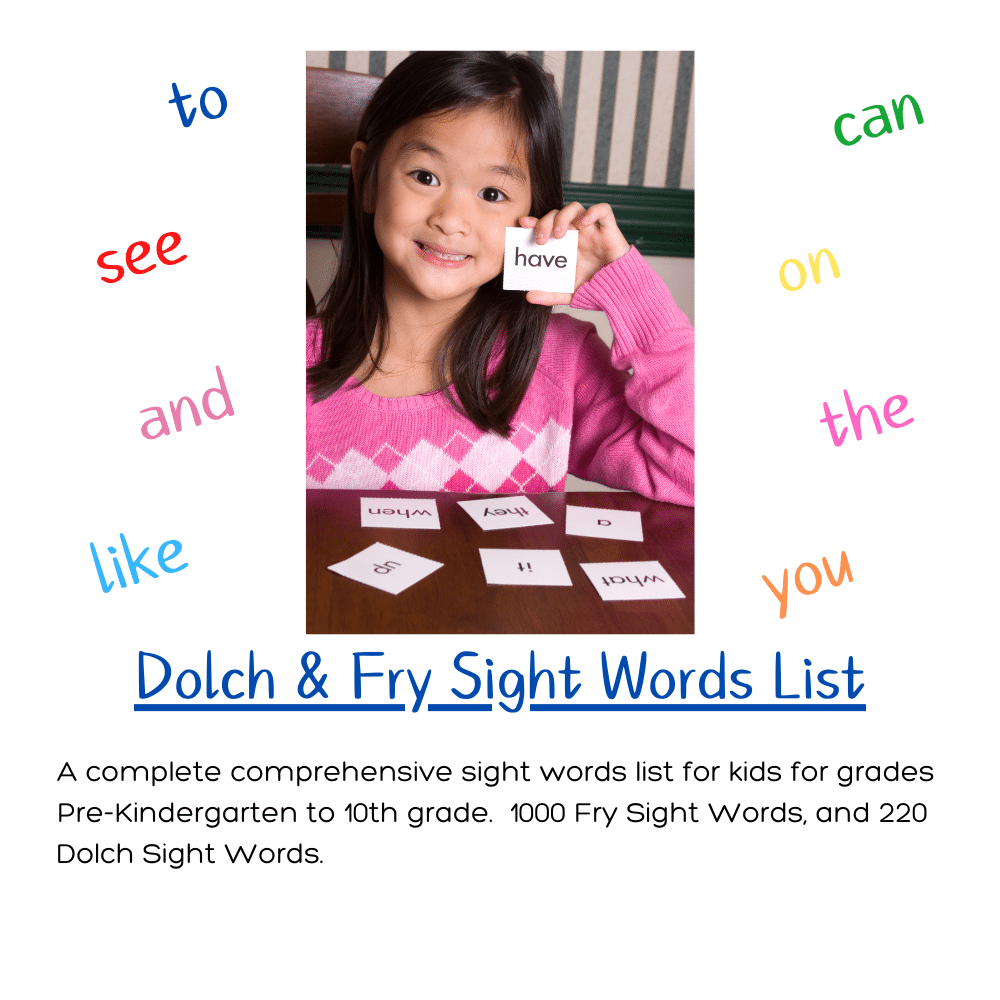
- Sight word memorization that asks children to memorize whole words without understanding how sounds work
- Theme-based unit study approaches that are fun but don’t systematically build skills
- App-based learning that replaces real human interaction with screen time and quiet time activities
None of these approaches are bad exactly. They just aren’t systematic. And when literacy instruction isn’t systematic, children develop gaps. Those gaps might not show up in preschool or even in kindergarten. But by first grade, when the curriculum accelerates, those gaps widen. By fourth grade, when children are expected to read to learn rather than learn to read, the gaps have often become chasms.
I’ve spent years of homeschool experience working with students in third grade and above who couldn’t read. In almost every case, we could trace the difficulty back to missing foundational skills that should have been mastered during the preschool years. The heartbreaking part? Those gaps were completely preventable.
What to Look For in the Best Homeschool Preschool Curriculum
When you’re evaluating curriculum options for homeschooling your preschooler, here are the specific features that matter most:
1. Explicit Phonemic Awareness Instruction
Does the program include activities that purely focus on sounds? Can your child play with words, identify beginning sounds, blend sounds together orally, and break words apart? If not, keep looking. This is foundational for learning to read.
2. Integrated Letter-Sound Teaching
When letters are introduced, are the name and sound taught together? Does the program use memorable actions or pictures to anchor that connection? The best homeschool curriculum for preschool makes this immediate and sticky.
3. Multi-Sensory, Play-Based Activities
Look for a homeschool preschool program that has your child engaged in hands-on activities such as:
- Tracing letters in sand or shaving cream
- Making letter and sound connections with games, puzzles, etc.
- Singing songs that reinforce letter sounds
- Playing movement games that develop gross motor skills while learning (“hop on the letter that says /m/”)
- Using color-coded cards to physically push sounds together
4. A Clear Scope and Sequence
Can you see the progression? Does the program introduce sounds in a logical order? Does it build from sounds to blending to reading simple words to reading books? A strong Christian homeschool curriculum (or any quality curriculum for homeschooling) makes the path visible.
5. Flexibility for Different Learners
This is crucial for homeschooling families. Your child is unique. A curriculum that works beautifully for your neighbor’s early-reading preschooler might leave your thoughtful, careful little one feeling frustrated. Look for programs that allow you to:
- Repeat lessons as many times as needed
- Slow down without feeling behind
- Accelerate when your child is ready for more
- Adapt activities to your child’s learning style
- Integrate with other aspects of home education

Why Jumpstart Kinder Was Created: A Curriculum for Preschool at Home
After three decades in classrooms and intervention, I kept wishing homeschooling families had a clearer path before their children ever struggled. So I built one. Jumpstart Kinder is that path—the homeschool preschool curriculum designed to prevent the very problems I’ve spent my career trying to fix.
It’s built on everything research tells us about how children learn to read. It’s parent-led because I believe you are your child’s best teacher. It’s play-based because that’s how young brains are wired to learn during early childhood. And it’s systematic because leaving foundational skills to chance is a risk no child should have to take.
Here’s What Makes Jumpstart Kinder Different:
We teach letter sounds and letters together from day one. When your little one meets the letter “M,” they learn its name, its sound (/m/), and a memorable action—all at once. This integrated approach builds stronger, faster neural connections, and an understanding of how reading works—because in real reading, sounds and letters are never separate.
We follow a proven mastery sequence:
- Phonemic awareness and letter-sound introduction
- Blending sounds into words
- Reading decodable books
- Spelling and writing skills
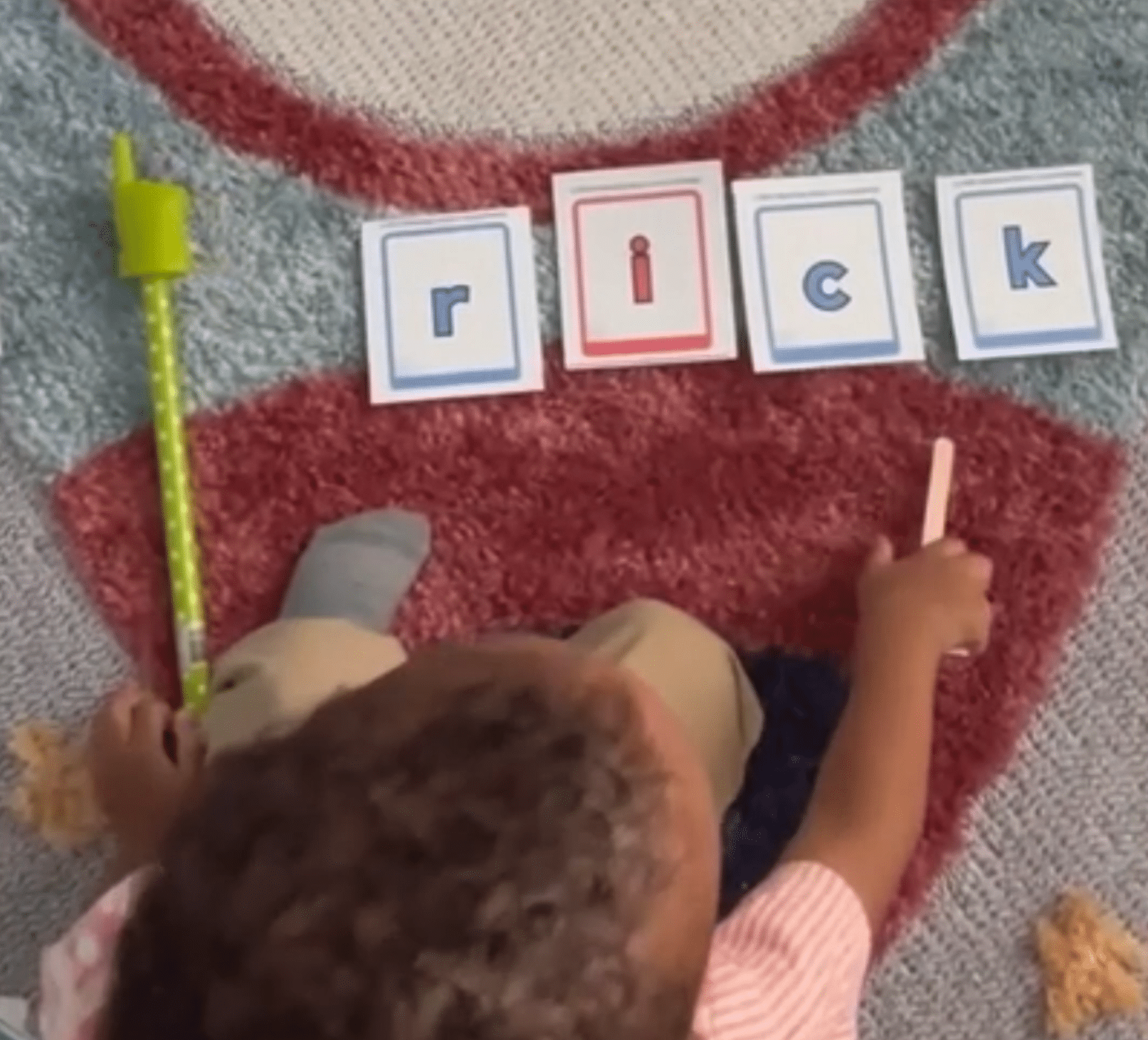
We use color-coded blending cards that make the “mystery” of reading visible. Red for vowels, blue for consonants. Your child physically pushes the sounds together, seeing and feeling how individual sounds blend into words. This simple, powerful tool transforms abstract blending into a hands-on success experience.
We meet your child exactly where they are. One of the greatest gifts of homeschooling is the ability to follow your child’s pace. Jumpstart Kinder was designed with this in mind. If your child needs extra time with a concept, you can spend a week or a month on it—no pressure. If your preschooler is ready to move faster, the next step is always waiting.

For the Gifted Learner and the Child Who Learns Differently
One question I hear often from homeschooling families is whether a program can work for both a highly advanced child and a child who struggles. The answer is yes—if the program is designed correctly.
For gifted learners:
A bright, eager child can move through Jumpstart Kinder as quickly as they master concepts. There’s no artificial ceiling. If your three-year-old is blending words by winter, they’ll find decodable books waiting for them. The multi-sensory variety keeps engaged minds challenged. And because the sequence is complete, they build every piece of the puzzle—no gaps, even at speed.
For children with dyslexia or other learning differences:
Early intervention is everything. Jumpstart Kinder’s multi-sensory, hands-on approach isn’t just helpful for children who learn differently—it’s essential. When a child sees a letter, hears its sound, says it aloud, and traces its shape simultaneously, they’re building multiple neural pathways to the same information. This dramatically increases the likelihood of retention.
The mastery-based progression means no deadlines. A child can spend as long as needed on a single skill until it’s truly automatic. And because the program breaks skills into the smallest possible steps, what might seem like an overwhelming challenge becomes a series of manageable, winnable micro-skills.
For every child in between:
Jumpstart Kinder offers the gift of pace. You decide when to repeat, when to move on, when to linger on a favorite activity, and when to take a break. The program works around your life and your child, not the other way around. This is the beauty of home education—you need a curriculum that honors that freedom.
What a Typical Week Looks Like with This Homeschool Preschool Program
Let me paint a picture of how Jumpstart Kinder fits into real life as you’re homeschooling preschool.
You’re not blocking out hours of your day for formal lessons. You’re not creating elaborate lesson plans like a traditional preschool classroom might require. Instead, you’re weaving short, focused sessions into your natural routine—maybe three to five minutes at breakfast, another few minutes during playtime, and a final session before quiet time.
In one session, you might:
- Play a quick sound game (“I spy something that starts with /s/”)
- Introduce a new letter with its action and song
- Practice blending two sounds together using color-coded cards
- Read a page from a simple decodable book together
The activities change as your child progresses through the program. Early on, it’s all about letter sounds, letters, and play-based learning. Later, you’re blending and reading. Eventually, your child is developing writing skills and spelling simple words.
Throughout your years of homeschool, your role is simple: be the calm, encouraging guide. Your patience and celebration of small wins build your child’s confidence more than any curriculum ever could. Whether you’re a busy toddler mom juggling multiple children or focused solely on your preschooler, this approach adapts to your family’s rhythm.

Beyond Preschool: The Long-Term Gift of Strong Foundations
The beauty of a strong preschool foundation is that its benefits extend far beyond kindergarten and into all your years of homeschooling.
Children who enter the early elementary years with solid phonemic awareness and letter-sound knowledge spend less energy on decoding and more on comprehension. They read more, which builds vocabulary and background knowledge. They develop positive associations with learning. They see themselves as readers.
For children with learning differences, early, systematic instruction during the preschool years can significantly reduce the severity of reading difficulties. The neural pathways built through multi-sensory teaching create alternatives to the typical reading circuits that might be less efficient.
For gifted children, a solid foundation prevents the development of “hollow skills”—surface-level advancement without deep understanding. They become truly proficient readers, not just early decoders.
And for all children, the confidence gained from mastering reading early becomes part of their identity. They approach new challenges with a “can-do” attitude that affects every academic subject throughout their home education journey.
Choosing a Curriculum: What Homeschooling Families Need to Know
When you’re buying a curriculum for your preschool at home, the options can feel overwhelming. Should you choose a Christian homeschool curriculum? An ABC workbook approach? A Montessori-style program? Something that emphasizes nature exploration and good habits and life skills?
Here’s my advice after decades of experience: don’t let ancillary features distract you from the core question—does this curriculum systematically teach phonemic awareness and letter sounds in a play-based, hands-on way?
A curriculum can have beautiful printables, engaging unit studies, and wonderful character development components. But if it doesn’t address the foundational literacy skills that preschoolers need, it’s not the best homeschool option for building readers.
Similarly, don’t be swayed by programs that promise your child will be “reading by age two” through memorization tricks or screen-based games. Real reading—the kind that lasts and grows—is built through understanding sounds, letters, and how they work together. That takes time, playfulness, and systematic instruction, not pressure.

Your Next Steps: Finding the Right Homeschool Curriculum for Your Preschooler
If you’re feeling overwhelmed by the task of choosing a preschool homeschool curriculum, take a deep breath. You don’t have to figure this out alone. You don’t have to piece together activities from Pinterest or guess whether you’re doing enough.
You can follow a path that’s already been laid by someone who has spent thirty years walking it with hundreds of children—both in traditional settings and in homeschooling families.
Jumpstart Kinder began with a simple request from my daughter: “Mom, teach my baby to read.” That question sparked something beautiful. I took everything I’d learned in 30 years in education—every technique, every strategy, every hard-won insight—and poured it into those precious moments with my grandson. I made everything more playful, more multi-sensory, more focused. Short lessons. Lots of laughter. Zero pressure. And do you know what happened? By age two and a half, he was reading.
Jumpstart Kinder is that same approach, now ready for your family. It’s the program born from a grandmother’s love and a lifetime of experience—designed to give your child the same confident head start, whether you’re homeschooling a preschooler for the first time or adding this to years of homeschool experience with older children.
Whether your child is just beginning to notice letters or is already showing signs of readiness to blend, Jumpstart Kinder meets them where they are and walks alongside them at exactly their pace.
Ready to Build a Reader at Home?
Choosing to homeschool preschool is one of the most important decisions you’ll make in your home education journey. The curriculum you choose during these foundational preschool years will shape not just your child’s reading ability, but their entire relationship with learning.
You don’t need to spend hours researching every homeschool preschool program on the market. You don’t need to second-guess whether you’re qualified to teach your own little one. And you certainly don’t need to recreate a traditional preschool classroom in your home.
What you need is a clear, systematic, play-based curriculum that builds real reading skills—one that respects your child’s pace, fits into your busy family life, and actually works.
Ready to learn more? Explore how Jumpstart Kinder can provide the clear, compassionate, and effective homeschool curriculum your preschooler needs to build unshakable reading confidence—and enter kindergarten not just ready, but already reading.
Visit Reading Ready Foundations
Download your free “Reading Ready Checklist“ to discover exactly where your child is on their literacy journey and what skills to focus on next—whether you’re just starting to homeschool preschool or fine-tuning your current approach.
About the Author:
L.T. Lyles, M.Ed., is the founder of Reading Ready Foundations and creator of Jumpstart Kinder. With over 30 years of experience as a classroom teacher, reading interventionist, and literacy consultant—she is passionate about equipping homeschooling families with the tools to build confident readers from the ground up.