Skip to content


Why Reading Success in Georgia Starts Long Before Kindergarten
As a veteran educator & early literacy specialist, I’ve sat across from hundreds of parents—in Atlanta, Savannah, Augusta, and beyond—who share the same heartfelt concern: “I want my child to love reading and succeed in school, but I don’t know where to start or if I’m doing it right.”
If this sounds familiar, you’re not alone. Georgia’s approach to early literacy is evolving, with districts statewide increasingly adopting the Science of Reading, a research-backed method that emphasizes foundational skills like phonemic awareness and phonics. This shift means that what you do at home with your child from birth to age six matters more than ever.
The stakes are clear: Georgia students not reading proficiently by 3rd grade are four times more likely to struggle academically long-term. But here’s the empowering truth: Georgia families who understand and support these early skills give their children a measurable, lasting advantage.
This isn’t about creating a pressured, school-like environment at home. It’s about understanding Georgia’s Early Learning and Development Standards and turning everyday moments into powerful learning opportunities.
In this 15-Page, Expert Report, we’ll break down exactly what Georgia expects, the three non-negotiable skills every young reader needs, and how you—yes, you—can foster a love of reading without feeling overwhelmed.
Decoding Georgia’s Early Literacy Expectations (Birth to Age 6)
Many Georgia parents are surprised to learn that early literacy standards begin at birth. The state’s framework isn’t just about kindergarten readiness; it’s a developmental continuum. Understanding this progression is the first step to providing the right support at the right time.
The Foundational Years: Birth to 3
Georgia’s standards for our youngest learners focus on emergent literacy skills. Think of this as preparing the “soil” for future reading. Key expectations include:
- Listening to language through songs, rhymes, and conversation.
- Recognizing sounds in the environment and in spoken words.
- Building early vocabulary by labeling objects and actions.
- Developing book awareness (e.g., how to hold a book, turning pages).
This stage is about rich, verbal interaction that wires the brain for language. A child in Macon chatting with a parent at the grocery store, or a toddler in Columbus listening to a nursery rhyme, is building critical neural pathways for reading.
Georgia Pre-K (Age 4): The Bridge to Formal Reading
Georgia Pre-K standards mark a significant shift. This is where explicit, pre-reading skill development begins. In Pre-K classrooms across the state, from Dekalb to Chatham County, children are expected to begin:
- Identifying letters and their most common letter sounds.
- Blending simple sounds orally (orally combining /c/ /a/ /t/ to say “cat”).
- Showing print awareness (understanding that print carries meaning).
- Actively building vocabulary and listening comprehension through stories.
A crucial point for parents: Pre-K is about exposure, not mastery. The goal is to introduce these concepts so children aren’t hearing them for the first time in kindergarten. When these skills are gently reinforced at home, the transition is smoother.
Georgia Kindergarten: Where Reading Takes Flight
The leap from Pre-K to Georgia Kindergarten standards is substantial. By the end of kindergarten, the expectation is that children are beginning to read. The standards explicitly mention:
- Mastering all basic letter-sound correspondences.
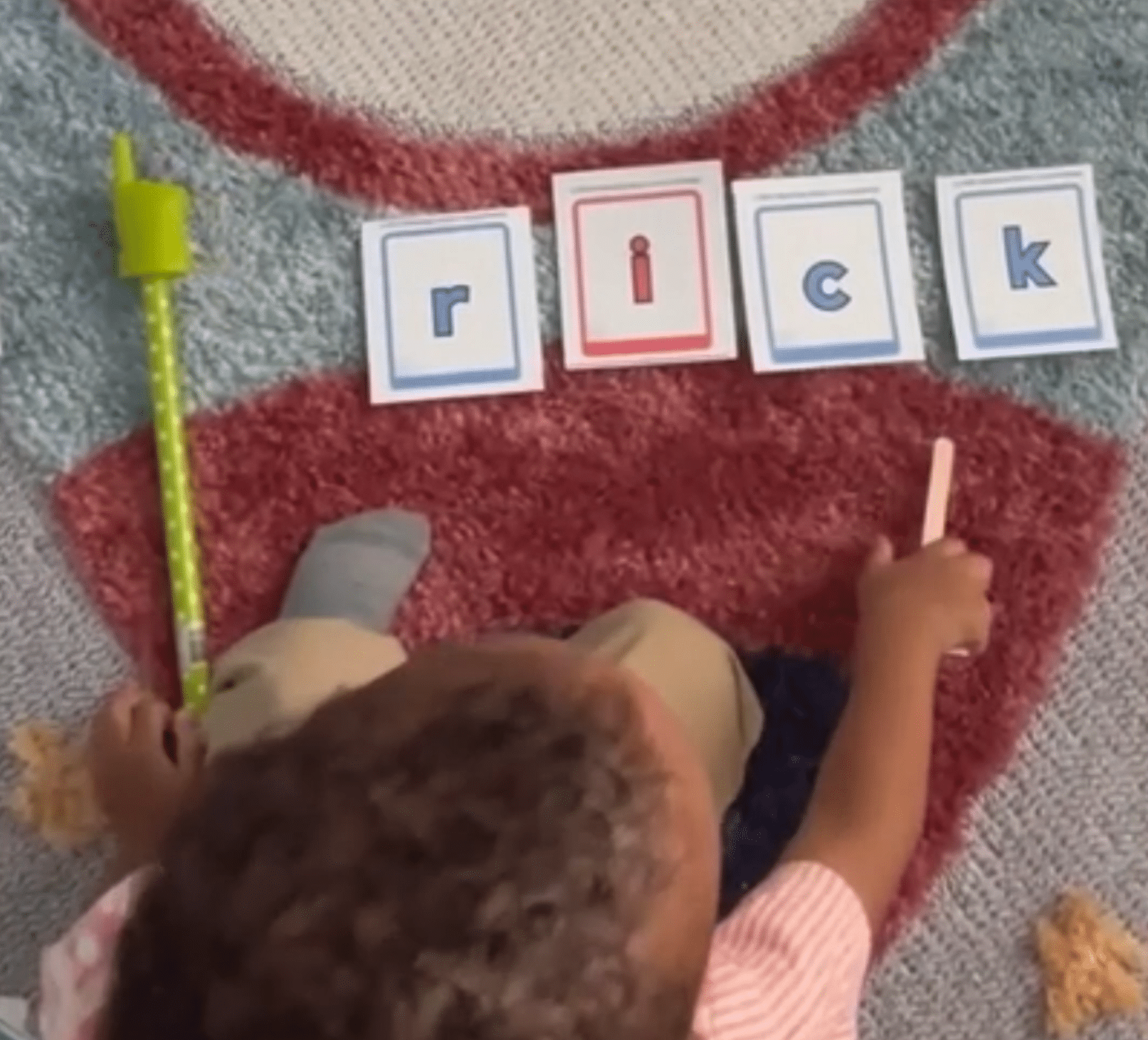
- Blending sounds to read CVC words (consonant-vowel-consonant words like “sun,” “map,” “fit”).
- Reading decodable texts—simple books that only use phonics patterns they’ve learned.
- Writing phonetic spellings of words.
- Using high-frequency words (e.g., “the,” “and,” “is”) and demonstrating story comprehension.
This is where the Science of Reading framework becomes most visible. The “look at the picture and guess” method is being replaced with systematic phonics instruction and decoding strategies. For parents, this means that supporting your child with sound games and blending practice aligns perfectly with what they’ll do in their Georgia classroom.

The 3 Pillars of Reading Success Every Georgia Child Needs
As a 30-yr veteran educator, I’ve identified three non-negotiable skill areas—the pillars that determine whether a child struggles or soars. These align directly with Georgia’s move toward structured literacy.
1. Phonemic Awareness: The Sound Foundation
Phonemic awareness is the ability to hear, identify, and manipulate individual sounds (phonemes) in spoken words. It’s purely auditory.
- Why it’s critical: Research shows phonemic awareness is the single strongest predictor of later reading success. Gaps here are the root cause of many early reading difficulties I see in Georgia students.
- A simple home activity: Play “I Spy with My Little Ear” during carpool. Say, “I spy with my little ear something that starts with /b/.” (Answer: “bus”).
2. Phonics: Cracking the Alphabet Code
Phonics is the bridge between sounds and letters. It’s the understanding that there is a predictable relationship between phonemes (sounds) and graphemes (the letters that represent them).
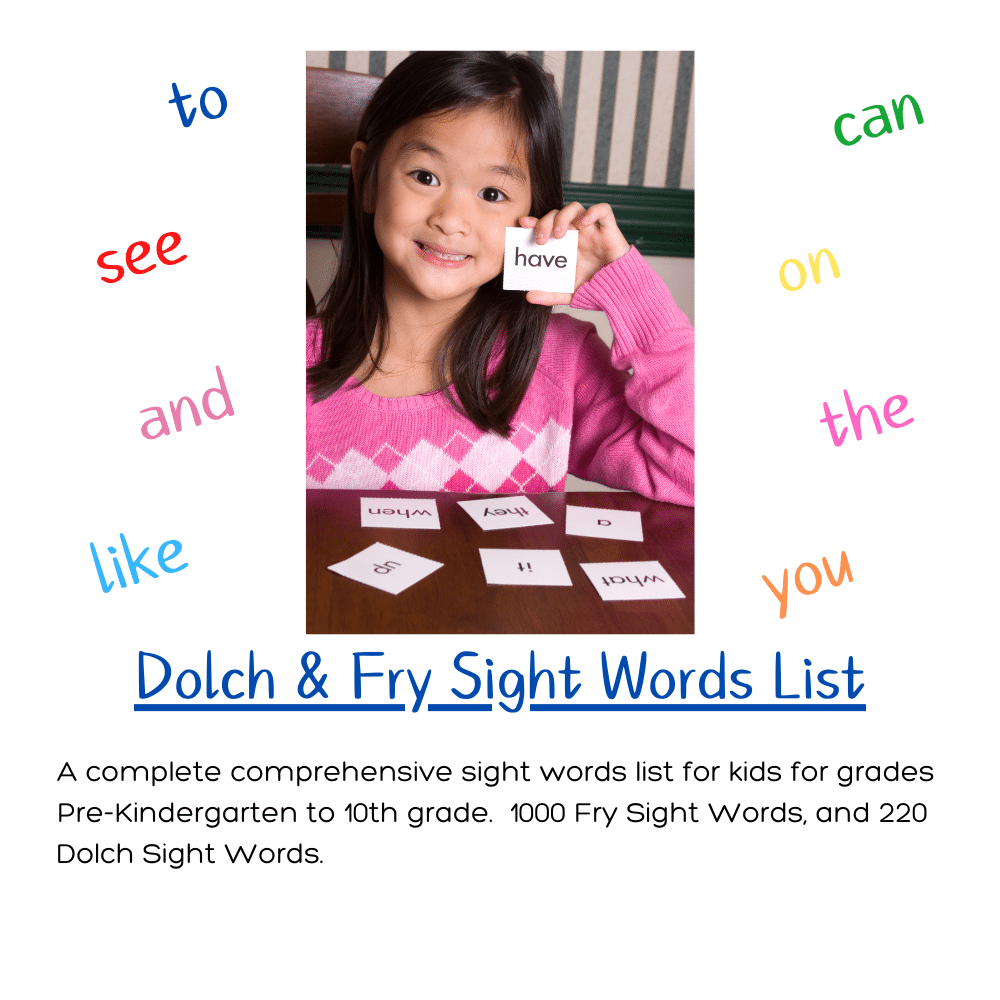
- The Georgia shift: Many parents were taught to memorize whole words (“sight words”). Today, Georgia’s approach prioritizes phonics-based decoding—teaching children to sound words out. This is a more reliable strategy for long-term reading success.
- A simple home activity: Focus on letter sounds, not just letter names. When you see the letter ‘M’, say “/m/ like in moon,” not just “this is the letter ‘em’.”
3. Language Comprehension & Vocabulary: The Meaning-Maker
This pillar encompasses oral vocabulary, background knowledge, and understanding of story structure. A child can brilliantly decode the word “astronaut,” but if they don’t know what one is, comprehension fails.
- The Georgia connection: The state’s standards heavily emphasize listening comprehension and vocabulary development from the earliest years.
- A simple home activity: Have “word of the day” at dinner. Introduce a fun new word like “gigantic” and use it in context. This directly builds the oral language skills required for reading comprehension.
When these three pillars are developed in tandem, children build a strong, resilient reading brain. They can decode unfamiliar words and understand what they’re reading.
5 Common Early Literacy Mistakes Georgia Parents Can Avoid
Over the years I have seen consistent patterns. Avoiding these common pitfalls can save your child frustration and set them on a clearer path.
- Prioritizing Letter Names Over Sounds. Knowing the alphabet song is fun, but knowing that ‘B’ says /b/ is what’s needed for reading. Make sure to focus on sounds also.
- Encouraging Memorization Over Decoding. If your preschooler has “memorized” their favorite book, that’s wonderful for enjoyment! But ensure you’re also pointing to words and practicing blending sounds with simple, new words.
- Jumping to Sight Words Too Early. High-frequency words (like “the”) are important, but introducing them before a child has phonemic awareness and basic phonics skills can lead to confusion and guessing.
- Inconsistent Terminology. If you call letters by their sounds (/s/) at home, but a well-meaning relative or an old app emphasizes only names (“es”), it can create letter-sound confusion. Consistency is key.
- Waiting for Kindergarten to Start. The most significant literacy gaps often appear before a child ever steps into a Kindergarten classroom. Proactive, playful support from ages 0-5 is the most powerful gift you can give.

Your Action Plan: Simple, Evidence-Based Strategies for Georgia Homes
You do not need a teaching degree, expensive curriculum, or hours of extra time. Effective early literacy support is about consistency.
The Golden Rule: Keep it short, fun, and consistent. Five focused minutes per day is far more powerful than an irregular hour.
Your Week-at-a-Glance Guide
- Monday (Sound Day): Play a 3-minute phonemic awareness game. “What’s the first sound you hear in ‘ball’? /b/!”
- Tuesday (Letter-Sound Day): Focus on one new letter sound. Find objects around your Alpharetta or McDonough home that start with /m/.
- Wednesday (Blending Day): Practice oral blending. Say, “I’m thinking of a /k/ /a/ /t/. What’s my word?”
- Thursday (Book Day): Read together. Point to words as you read. Ask, “What do you think happens next?” to build comprehension.
- Friday (Fun Day): Write a silly story together using words your child can almost decode. Make it an enjoyable ritual.
From Uncertainty to Confidence: Your Georgia Early Literacy Advantage Awaits
The journey to raising a confident reader in Georgia doesn’t have to be fueled by guesswork or anxiety. It can be a clear, connected, and enjoyable process of understanding what your child needs and having the simple tools to provide it.
You are your child’s first and most influential teacher. The trust, safety, and love you provide create the ideal environment for learning. By aligning your support with Georgia’s Early Learning Standards and the Science of Reading, you’re not just teaching letters—you’re building a foundation for school confidence, a love of learning, and lifelong success.
Ready for Clarity and Confidence? Get Your Free Georgia-Specific Guide
If this blog post resonated with you—if you’ve ever thought, “I don’t want to teach the wrong way,” or “I’m not sure what Georgia schools expect,”—then I created a resource specifically for you.
Download my free expert guide: “The Georgia Early Literacy Advantage: A Parent’s Guide to Building Strong Readers from the Start.”
This isn’t a generic pamphlet. It’s a detailed, 15-page guide I crafted as a 30-Year Veteran Educator & Early Literacy Specialist to give parents across our state clarity and a real plan. Inside, you’ll find:
- A complete breakdown of Georgia reading expectations for Pre-K and Kindergarten.
- An explanation of the 3 core skills every young Georgia reader must master.
- Clear red flags that indicate a child might struggle.
- A week’s worth of simple, effective activities you can start tonight.
- Insight into why parent-led instruction is so powerful and how to make it work for your family.
Take the next step in your child’s literacy journey with confidence.
Download My Free Georgia Early Literacy Guide
Give your child the advantage of a strong start. You’ve got this, Georgia.