Skip to content


The Complete Homeschool Kindergarten Curriculum Guide
How to Teach Your Child to Read at Home — Step by Step
Everything You Need to Build Reading Skills, Confidence, and a Love of Learning
Introduction: Embracing the Most Important Journey
The question — “How do I teach my child to read at home?” — is one of the most meaningful responsibilities a parent can take on. It is not simply about checking off kindergarten readiness benchmarks. It is about opening doors to imagination, lifelong knowledge, and genuine curiosity. With 67% of American fourth graders reading below proficiency levels according to the Nation’s Report Card, the foundation you build before formal schooling has never been more important.
Whether you are exploring a homeschool kindergarten curriculum for the first time or looking to supplement traditional schooling, this step-by-step help guide walks you through evidence-based methods, practical strategies, and the emotional support needed to make this journey successful and joyful for the entire family.
Key Takeaways
Keep these principles in mind as you begin your homeschool kindergarten curriculum journey:
- Phonics-based, step-by-step instruction is the most effective way to build reading skills in young children.
- Hands-on, play-based learning activities keep young children engaged and make reading feel like fun — not a chore.
- The emotional environment matters more than any curriculum choice — warmth and encouragement produce lifelong readers.
- Short, consistent daily lessons — even just 5 minutes — are far more effective than occasional long sessions.
- A complete kindergarten curriculum that covers phonics, vocabulary, and literacy and numeracy gives your child the strongest possible foundation.

Understanding Reading: It Goes Far Beyond the ABCs
Contrary to what many parents assume, reading is not a natural skill like speaking — it is a complex neurological process that must be intentionally and explicitly taught. The science of reading has identified five essential building blocks: phonemic awareness, phonics, fluency, vocabulary, and comprehension. Every child needs to develop all five to become a confident reader.
Research confirms that the years from birth to age five are when the brain is most receptive to language patterns, which is precisely why a well-designed kindergarten curriculum builds on foundations that start much earlier than most parents realize.
According to guidance from the U.S. Department of Education, early literacy and foundational reading skills play a critical role in long-term academic success, making phonics instruction especially important during the kindergarten years.
Preparing Your Home: Setting the Stage for Success
Long before formal homeschool lessons begin, your home itself can become a powerful learning environment. Here are simple, hands-on ways to surround your child with print and language:
- Label common items throughout the house and display an alphabet poster at your child’s eye level.
- Set up a reading nook with accessible books and keep magnetic letters on the refrigerator for hands-on learning activities.
- Establish a consistent read-aloud time and point out text everywhere you go — grocery lists, street signs, menus.
- Sing nursery rhymes together daily. These rhyme-based activities naturally build phonemic awareness and a love of language.
- Play with words through silly songs, made-up rhymes, and word games throughout the day.

The Step-by-Step Roadmap: From Sounds to Stories
Phase 1: Pre-Reading Foundations (Ages 0–3)
Focus: Oral language development, phonological awareness, and print motivation.
Read aloud every day — even to infants, who absorb rhythm and cadence. Sing nursery rhymes like “Twinkle, Twinkle Little Star” to build syllable and rhyme awareness. Let your child explore books as physical objects, and gently move your finger under the text as you read so they begin connecting your words to the page.
Phase 2: The Alphabet Code (Ages 3–4)
Focus: Letter recognition, sound-symbol correspondence, and the beginnings of a phonics-based approach to decoding.
A common question at this stage is whether to teach letter names or sounds first. The answer: teach both together. Work through each letter of the alphabet in a systematic order and pair each new letter with a short list of books to read that feature that sound. Start with continuous sounds like m, s, and f — these are easier to blend. Letter hunts, sound matching games, and alphabet puzzles all make practice feel like play.
Phase 3: Blending and Segmenting (Ages 4–5)
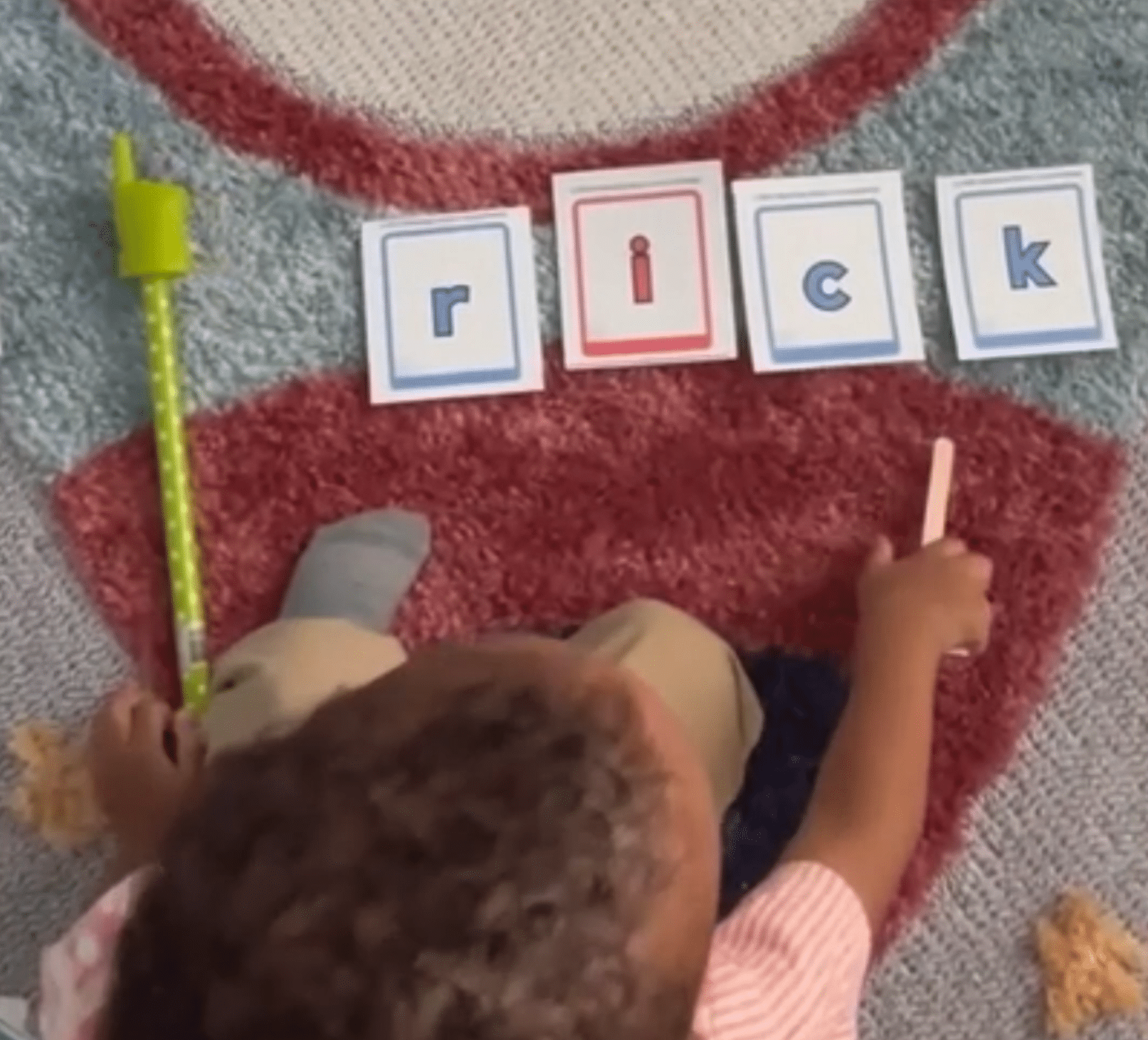
This is the phase where many parents search “how to teach a 4-year-old to read” — because it is the developmental window where blending skills truly take shape. Guide your child through exercises like “mmm-aaa-t” to form the word “mat.” Use letters or blocks to make blending visual. Keep sessions to five focused minutes. If they struggle, go back to oral blending games. If they guess from pictures, use word lists without images. If they are frustrated, step away and come back later — progress is not linear.

Choosing Your Approach: Methods, Materials, and Curriculum Choices
The science of reading has spoken clearly: systematic, phonics-based instruction is essential for the majority of children to become confident readers. Whole language approaches that depend heavily on memorization fail approximately 30 to 40 percent of learners. A strong homeschool kindergarten curriculum will always prioritize phonics as its foundation.
When evaluating any homeschool kindergarten curriculum or early reading program — whether it comes as a workbook, a bundle, printables, or a digital platform — look for these key components. A strong homeschool curriculum covers language arts, reading, and phonics in a balanced way. Homeschooling gives you the flexibility to set your own pace, and home education does not need to be complicated.
- Systematic Phonics Scope and Sequence — Skills should build logically so your child never hits a gap.
- Multi-Sensory Components — Programs that engage visual, auditory, and kinesthetic learners.
- Decodable Texts — Books using only the phonics patterns already taught.
- Progress Monitoring Tools — A way to see where your child is thriving and where they need support.
- Clear Parent Support — Answer keys, instructional guides, or video walkthroughs so you never feel lost.
Introducing Jumpstart Kinder: A Complete Home Solution
After years of research and hands-on testing with hundreds of families, Jumpstart Kinder was developed to answer the exact question this article addresses: “How do I teach my child to read at home — without feeling overwhelmed?” Too many families were stuck with piecemeal resources that did not connect or screen-heavy systems that removed the human connection. Jumpstart Kinder pulls together the best homeschool resources and learning resources into one cohesive, family-friendly system — everything you need, in one place.
What Sets Jumpstart Kinder Apart
- Truly Comprehensive Design
Unlike programs that offer only flashcards or isolated workbooks, Jumpstart Kinder provides a complete kindergarten learning experience for ages 0 through 5: done-for-you daily lessons with scripted dialogue, video and audio support, multi-sensory hands-on activities, play-based games, specialized blending cards, decodable books that match precisely what has been taught, and progress monitoring forms so you can track growth without guesswork.
- Age-Appropriate Sequencing
A strong homeschool kindergarten curriculum recognizes that kindergarten reading skills are built on a foundation laid in preschool and even earlier. As students move through grade levels, the skills are introduced in a logical sequence. Here is how Jumpstart Kinder maps that out across developmental stages:
- Ages 0–2: Oral language and sound awareness through read-alouds and nursery rhymes with stick puppets.
- Ages 2–3: Letter sounds introduced through tactile alphabet activities and hands-on exploration.
- Ages 3–4: Blending practice using specialized cards and interactive games.
- Ages 4–5: Independent reading with sequenced decodable books designed to build confidence and fluency.
Note: This is a guide, not a rigid timeline. Some children begin reading before age 3. Always follow your child’s lead and pace.
- Parent-as-Teacher Empowerment and the Science of Reading
Rather than handing your child a screen, Jumpstart Kinder puts you at the center of the learning experience. Every activity comes with clear explanations of the why behind it, troubleshooting guides for common challenges, and celebratory elements like stickers and completion certificates. The pacing is flexible — move at whatever speed feels right for your child.

Implementing Your Homeschool Program: Practical Strategies
Fitting reading instruction into an already busy day does not need to be complicated. Try this rhythm: spend five minutes in the morning introducing a new concept or letter sound, five minutes in the afternoon reviewing through letter or sound play, and 5 to 10 minutes in the evening with a multi-sensory activity or a book connected to what was learned.
Overcoming the Most Common Hurdles
If your child does not want to sit for lessons, shorten sessions to 3 to 5 minutes and incorporate movement — like jumping once for each sound in a word. If you are struggling with consistency, anchor reading practice to routines you already have, like right after breakfast or before bath time. And if you are unsure whether you are doing it right — that is exactly why Jumpstart Kinder includes video modeling for every lesson. Remember: relationship and consistency matter far more than perfection.
What to Teach and When: A Kindergarten Readiness Roadmap
A kindergarten homeschool curriculum typically introduces reading, math, and foundational skills in a structured sequence — but the reading foundation you build now is what makes everything else possible. Here is a developmentally appropriate breakdown of when key skills are introduced and what students learn at each stage:
By Age 4 — Pre-K Readiness
- Recognize their own name in print and identify 10 or more letter sounds.
- Begin blending simple vowel-consonant word patterns like “at” and “it.”
- Retell familiar stories and hold books properly.
By Age 5 — Ready to Start Kindergarten
- Recognize all letter sounds and blend consonant-vowel-consonant words like “cat,” “sit,” and “hop.”
- Read simple decodable texts with growing independence.
- Write their name and begin forming other letters — building early handwriting skills and print awareness.
By Kindergarten Mid-Year
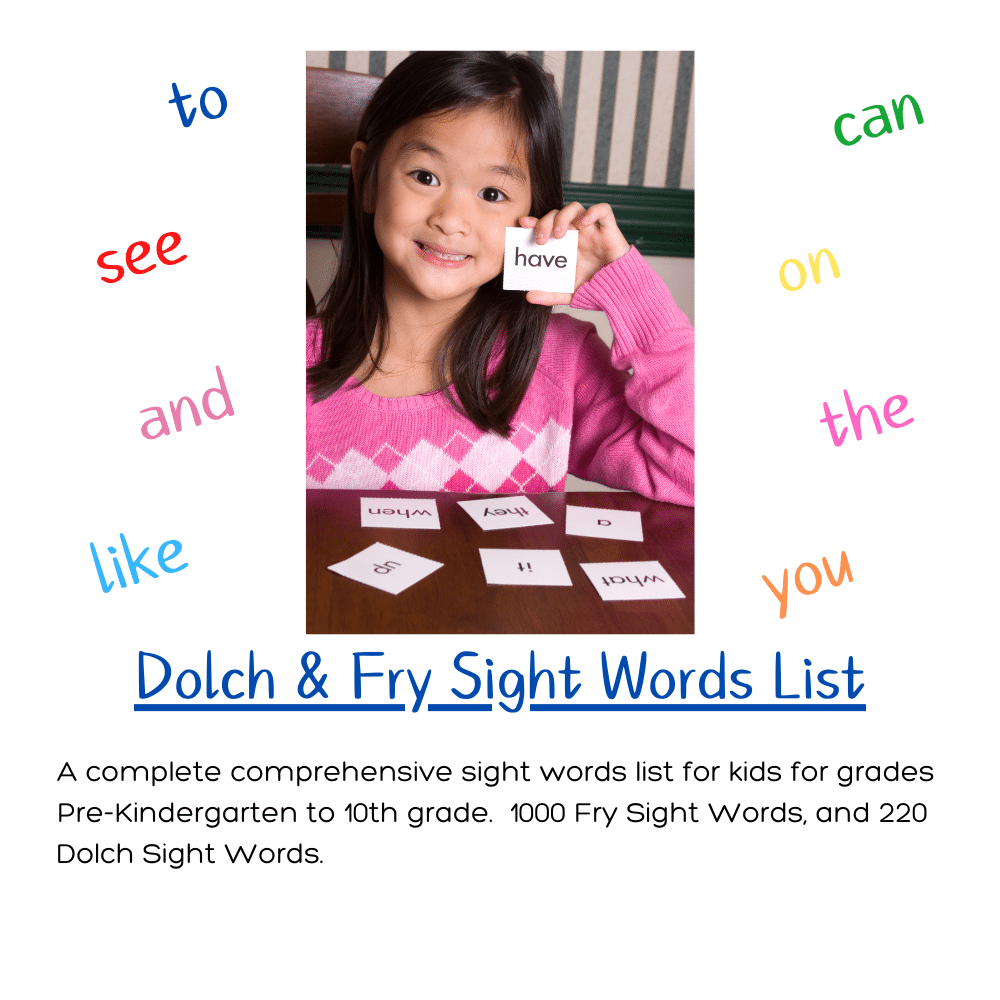
- Read CVC words with fluency, recognize common sight words like “the,” “and,” and “is,” and use beginning sounds to decode unfamiliar words.
- Write simple sentences with invented spelling and demonstrate reading comprehension through retelling.
Beyond Decoding: Cultivating a Reader’s Heart
Technical reading skill without a genuine desire to read produces reluctant readers. Fostering intrinsic motivation is just as important as teaching phonics. Let your child choose what they read — even if it feels below their level — and allow them to re-read favorites as many times as they want. Read books that connect to their interests, whether that means animals, vehicles, art projects, or adventures. Celebrate effort and milestones along the way — progress monitoring forms and completion certificates make the journey feel meaningful.
Addressing Special Considerations
If your child is showing signs of reading readiness earlier than expected, follow their lead — but make sure social-emotional development is not being neglected. Focus on expanding depth of understanding rather than racing ahead. If your child seems resistant or is struggling, start by ruling out vision or hearing issues. Consider whether dyslexia or another learning difference might be playing a role, and if so, seek support from a specialist sooner rather than later. Shorten sessions and increase how often you practice — sometimes more frequent, shorter daily lessons are more effective than one longer session.
Conclusion: Your Next Steps on the Reading Journey
Teaching your child to read at home is both simpler and more complex than it appears. Simpler, because the essential components are well understood and absolutely teachable. More complex, because every child brings their own unique timing, temperament, and talents to the process.
Whether you are looking for a full homeschool kindergarten curriculum, a printable worksheet set, a structured workbook, or simply guidance on how to teach a 4-year-old to read — the approach and the structure behind your program matter more than any single resource. For families seeking a comprehensive, evidence-based path forward, Jumpstart Kinder offers everything you need in one cohesive system built around science-backed methods and play-based learning appropriate for every stage of development.
The question is not whether you can teach your child to read at home. You absolutely can. The question is simply how to make that journey effective, efficient, and enjoyable for both of you. With the right approach, the right tools, and the right mindset, you will give your child far more than reading skills. You will give them the confidence that begins with those five powerful words: “I can read this myself.”
Ready to Begin?
Explore the complete Jumpstart Kinder program — designed specifically for parents asking, “How do I teach my child to read at home?”