Skip to content


The Alphabet: Help Your Child Master the ABCs
Learning the alphabet is a fundamental step in a child’s early literacy development. It serves as the foundation for reading, writing, and language. As parents, it’s crucial to understand the importance of this milestone and how you can support your child through the process.
In this blog post, we’ll explore why learning the alphabet is so important, how it impacts future academic success, and practical ways to help your child master the ABCs.
I. The Importance of Learning the Alphabet
1. The Foundation for Reading and Writing
The alphabet is the building block of written language. It introduces children to letters and their corresponding sounds. This skill is the first step toward decoding words and understanding the relationship between letters and sounds—known as phonics. Phonics plays a crucial role in reading, helping children identify, pronounce, and comprehend words. Without a solid grasp of the alphabet, reading and writing would be extremely challenging.

2. Developing Early Literacy Skills
Alphabet knowledge is a key component of early literacy development. Early exposure to the alphabet helps children to master their ABCs. Children who have strong alphabet knowledge are more likely to become successful readers and writers. In fact, research shows that early alphabet recognition is one of the strongest predictors of reading achievement in the early school years.
3. Improving Cognitive Skills
Learning the alphabet is not just about memorizing letters—it also stimulates a child’s cognitive development. When children practice letter recognition, they are engaging in pattern recognition, visual discrimination, and memory recall. These cognitive processes are critical for problem-solving and higher-level thinking skills later in life.
As children begin to connect letters with sounds, they develop phonological awareness, which is the ability to hear and manipulate the sound structures of language. This skill is essential for decoding words and learning to read fluently.
II. The Connection Between Alphabet Learning and Phonics
1. Phonological Awareness
Phonological awareness refers to a child’s ability to recognize and manipulate the sounds in spoken language. Understanding the alphabet helps children develop the ability to hear the different sounds within words, which is a crucial skill for reading and spelling.
For example, when a child sees the letter “B,” they learn that it represents the sound /b/. Over time, as they encounter more letters, they start to blend sounds together to form words, such as “bat” or “ball.”

2. The Role of Phonics in Reading
Phonics is a method of teaching reading that emphasizes the relationship between letters and sounds. Children who understand phonics can “sound out” words by combining individual letter sounds, which makes it easier to decode unfamiliar words. Phonics instruction typically begins after a child has learned to recognize and name the letters of the alphabet. Phonics instruction can begin before children enter Kindergarten.
3. Building a Strong Vocabulary
Learning the alphabet also contributes to vocabulary development. When children recognize letters and understand their sounds, they can begin forming words, and expanding their vocabulary. The more letters and words they learn, the better equipped they are to understand and use language effectively.
A strong vocabulary is linked to better reading comprehension and communication skills. As children grow older, their ability to understand and interpret more complex texts depends on their early exposure to the alphabet and letter-sound relationships.
III. Social and Emotional Benefits of Learning the Alphabet
1. Boosting Confidence and Independence
Mastering the alphabet gives children a sense of accomplishment and boosts their self-esteem. As they begin to recognize letters in their environment—on signs, in books, or on packaging—they feel more confident in their ability to navigate the world of language. This growing confidence encourages them to explore reading and writing independently.
Children who are confident in their alphabet knowledge are more likely to enjoy reading, which can foster a lifelong love of learning. Early success with letters and sounds also helps children feel prepared for kindergarten and the transition to formal schooling.
2. Promoting Social Interaction
Learning the alphabet can also foster social development. In group settings like preschool or daycare, children often work together on letter recognition activities, such as singing the alphabet song, playing letter-matching games, or practicing writing letters. These activities encourage collaboration, communication, and teamwork, helping children build friendships and develop social skills.
Sharing their knowledge of letters with others, whether by pointing out letters in a book or practicing writing their name, can also be a source of pride and positive reinforcement from peers, teachers, and family members.
IV. Practical Ways to Teach the Alphabet to Children
1. Incorporate the Alphabet into Everyday Life
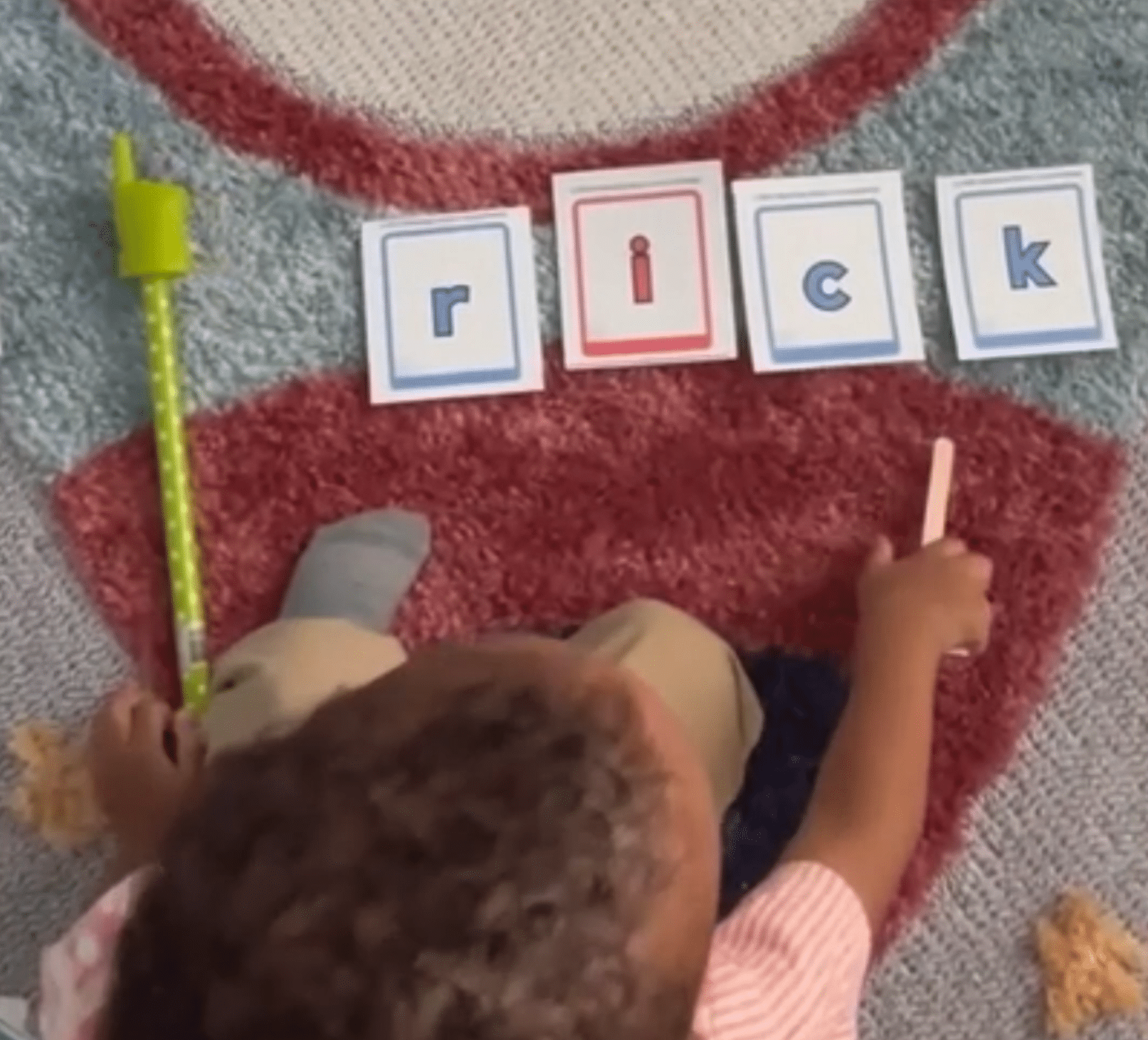
One of the best ways to teach the alphabet is by integrating it into your child’s daily routine. Point out letters on signs, cereal boxes, or household items. You can also sing the alphabet song together or read books that focus on letters and sounds.
2. Use Interactive Alphabet Learning Tools
There are many interactive tools available to make learning the alphabet fun and engaging. Consider using alphabet puzzles, flashcards, or apps that focus on letter recognition and phonics.
These tools provide a hands-on approach to learning, which can be particularly effective for young children.

3. Practice Writing Letters
Encouraging your child to practice writing letters is another excellent way to reinforce alphabet learning. Start by showing them how to write their name and other simple words. You can use finger painting, chalkboards, or tracing activities to make this process more enjoyable.
4. Play Alphabet Games
Games are a fun and effective way to teach the alphabet. Try playing games like “I Spy” using letters (“I spy something that starts with the letter B”) or creating a scavenger hunt where your child has to find objects that begin with certain letters. These activities help children associate letters with sounds and everyday objects.
5. Read Alphabet Books Together
Alphabet books are a fantastic resource for teaching the alphabet. Many children’s books are designed to introduce letters in a fun and memorable way, often using rhyme, repetition, and engaging illustrations. Reading these books regularly helps reinforce letter recognition and phonics skills.
V. Common Challenges in Alphabet Learning and How to Overcome Them
1. Difficulty Recognizing Letters
Some children may struggle with letter recognition, especially distinguishing between letters that look similar (such as “b” and “d”). To help, focus on one letter at a time, using multisensory approaches like tracing letters in sand, forming letters with playdough, or using flashcards for practice.
2. Confusing Letter Sounds
If your child has trouble associating letters with their sounds, practice phonics activities that emphasize sound recognition. For example, use picture cards that pair letters with objects (e.g., “A” for apple, “B” for ball) to help them connect sounds with letters.
3. Lack of Motivation
Some children may lose interest in learning the alphabet if they find it challenging or repetitive. Make learning fun by incorporating games, songs, and creative activities. Praise their efforts and celebrate small successes to keep them motivated.
Learning the alphabet is a critical milestone in a child’s early literacy development. It not only serves as the foundation for reading and writing but also contributes to cognitive development, phonics skills, and social-emotional growth. By understanding the importance of the alphabet and providing engaging, practical ways to teach it, parents can help their children master this essential skill and set them on the path to academic success.