Skip to content


Creative Curriculum Strategies for Preschool: How to Teach Reading at Home Step by Step
If you’ve been exploring early childhood education options or planning your child’s kindergarten learning at home, you’ve likely come across the idea of providing creative curriculum or creative strategies for teaching your child to read.
This type of approach focuses on:
- Hands-on learning
- Play-based experiences
- Exploration and discovery
- Supporting the whole-child approach—academically, socially, and emotionally
And for many parents, it feels like the right choice.
You want your child to:
- Love learning
- Be curious and confident
- Develop naturally—not through pressure
But at some point, many parents begin asking a very important question:
“How does creative curriculum strategies actually help my child learn to read?”
Because while creativity is powerful, reading is a skill—and it needs to be taught. If you’re trying to figure out how all of this fits together, The Ultimate Guide to Choosing a Preschool Homeschool Curriculum will help you understand exactly what your child needs to learn and how to confidently support them step by step.
Let’s break this down so you can keep the creativity—and still help your child become a confident reader.
What Is a Creative Curriculum for Preschool?
A creative curriculum for preschool is a learning approach built around the idea that children learn best through:
- Play
- Exploration
- Hands-on experiences
- Real-life interaction
Instead of worksheets or rigid lessons, children learn by:
- Building with blocks
- Engaging in pretend play
- Creating art
- Asking questions about the world around them
This type of play-based pre-k curriculum supports:
- Language development
- Social-emotional growth
- Problem-solving and thinking skills
- Creativity and independence
It reflects a child-centered philosophy that recognizes every stage of child development, from infant to toddlers, as a critical period for growth and learning.
It creates a strong foundation for early learning—but it’s only one piece of the puzzle.

Does a Creative Curriculum Teach Reading?
This is one of the most important things for parents to understand.
A creative curriculum or creative strategies support early learning outcomes like early reading skills—but it doesn’t always teach reading step by step on its own.
It helps children:
- Develop vocabulary
- Listen to stories
- Build comprehension
- Engage with language
But reading also requires:
- Direct, structured instruction
Children need to be taught:
- Letter sounds
- How sounds connect
- How to blend sounds into words
Without that piece, children may enjoy books—but struggle to actually read them.
Why Creative Learning Alone Isn’t Always Enough
Many parents assume that if their child is:
- Around books
- Listening to stories
- Engaged in learning
Then reading will “just happen.”
But here’s the truth: Reading is not something most children pick up naturally—it must be taught.
A research-based curriculum recognizes that early childhood development involves both responsive teaching and structure.
This is where many parents feel confused. Their child is:
- Smart
- Curious
- Engaged…but not reading yet.
That’s not a failure—it just means they need more structure alongside creativity to empower their growth.

The Best Approach: Creative Curriculum + Structured Reading
You don’t have to choose between:
- A creative, play-based approach
- A structured reading approach
The most effective early learning happens when you combine both.
Creative Curriculum Strategies Build:
- Curiosity
- Engagement
- Language exposure
Structured Reading Instruction Builds:
- Decoding skills
- Confidence
- Independence
When you combine both, your child doesn’t just enjoy learning…
They learn how to read, develop age-appropriate literacy, and grow in kindergarten readiness.
When Do Kids Learn to Read in a Creative Curriculum?
If you’re wondering when kids learn to read, the average timeline is similar whether you use a creative approach or not.
- Ages 2–4 → Early literacy skills develop
- Ages 4–5 → Reading instruction can begin
- Ages 5–7 → Independent reading develops
Although some kids learn to read independently earlier, especially when their children’s curiosity and children’s interest are nurtured.
But here’s what really matters: It’s not about age—it’s about exposure and instruction.
Children who receive both:
- Creative learning
- Structured reading support
tend to progress more confidently and achieve successful learning outcomes that last throughout kindergarten and pre-k.

How to Teach a Child to Read at Home
If you’re using a creative curriculum at home, here’s how to add a simple, effective reading structure.
Step 1: Letter Recognition
Start with identifying letters and matching uppercase and lowercase.
Make it fun:
- Alphabet puzzles
- Letter games
- Songs
For toddlers and infant learners, keep it tactile—let them trace letters in sand or use sensory bins.
Step 2: Letter Sounds
This is one of the most important steps.
Teach: “What sound does this letter make?”
Example:
- S says /s/
- T says /t/
Step 3: Phonemic Awareness
Help your child:
- Hear sounds in words
- Identify beginning sounds
- Recognize rhymes
This builds the foundation for handwriting, spelling, and overall reading fluency.

Step 4: Blending Sounds
Now combine sounds:
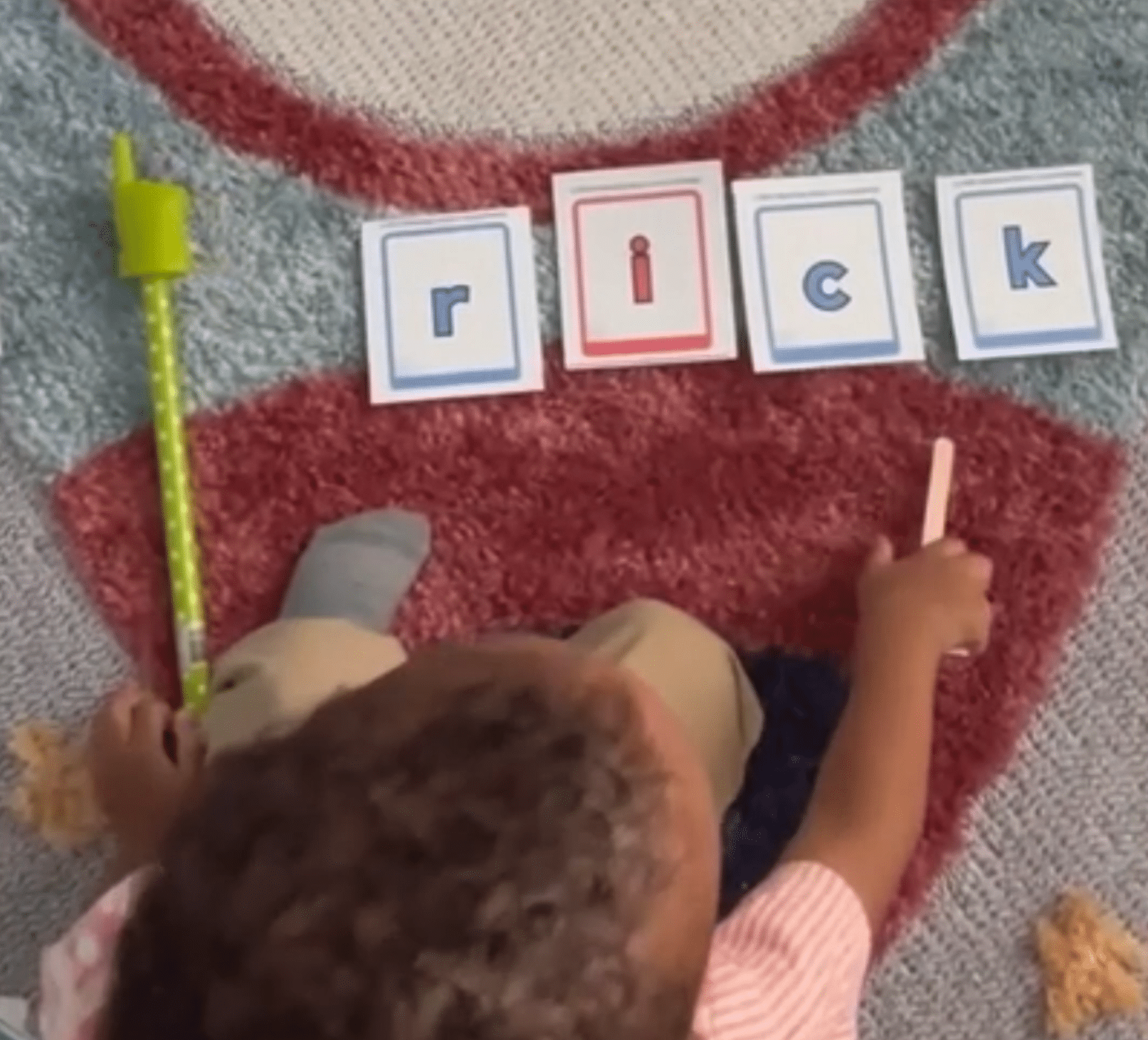
👉 c + a + t = cat
This is when reading begins.
Step 5: Practice Reading
Start small with simple words and beginner books.
Keep it short, positive, and responsive to your child’s pace.
A Real-Life Example
Let’s look at two children:
Child A
- Plays, explores, listens to stories
- No structured reading instruction
Child B
- Has the same creative experiences
- PLUS 10 minutes of age-appropriate reading instruction daily
Over time, Child B will likely:
- Recognize words faster
- Read earlier
- Feel more confident
👉 Not because they’re more advanced—but because they had structured support during a critical period of development.

Where Most Parents Feel Overwhelmed
At some point, many parents think: “This all makes sense… but how do I actually organize it?”
You’re trying to:
- Decide what to teach
- Stay consistent
- Make sure you’re not missing anything
This is where having a clear roadmap matters.
If you want a step-by-step breakdown of what your child should be learning, The Ultimate Guide to Choosing a Preschool Homeschool Curriculum will give you the clarity and confidence you need.
How to Combine Creative Curriculum Strategies with Daily Reading
You don’t need hours of instruction. A simple routine works best.
Example Daily Plan:
Creative Learning and Reading Time:
- Play
- Art
- Exploration
- Letter sounds
- Blending practice
- Reading together
Balancing learning through play and reading ensures your child’s thinking skills, child development, and early learning outcomes are strengthened holistically.
Signs Your Child Needs More Reading Support
Even with a strong foundation, your child may need extra support if they:
- Know letters but not sounds
- Struggle to blend words
- Avoid reading
- Seem frustrated
That doesn’t mean something is wrong—it just means they need age-appropriate, child-centered, and responsive guidance to re-engage their curiosity.

Why a Preschool Reading Curriculum Helps
If you’ve been searching for a preschool or kindergarten reading curriculum, you already recognize something important: Structure makes learning easier—for both you and your child.
A good curriculum helps you:
- Know what to teach
- Follow a clear sequence
- Stay consistent
Without that, it’s easy to feel like you’re guessing.
Early childhood classrooms may and should use this whole-child approach to empower learners through structure and creativity.
A Simpler Way to Teach Reading at Home
If you’re feeling overwhelmed, you’re not alone. Many parents want something simple and clear.
That’s why I created Jumpstart Kinder, a well-structured, research-based program that will help you develop appropriate learning routines and provide the best foundation for reading and beyond.
It combines:
- A creative curriculum approach
- A step-by-step reading system
So instead of choosing between:
- Creativity
- Structure
You get both—so your child can nurture their love of learning within a family engagement anywhere framework.

FAQ: Creative Curriculum and Reading
What is a creative curriculum?
A play-based approach that focuses on hands-on learning and whole-child development across infant, toddlers, and kindergarten levels.
Does it teach reading?
It supports early literacy but works best with structured reading instruction and family engagement support.
How do I teach reading at home?
Focus on letter sounds, phonemic awareness, blending, and staying consistent with learning through play.
When do kids learn to read?
Most children learn between ages 4–7, depending on the critical period and exposure they receive through early learning experiences. Some children learn to read much earlier.
Bringing It All Together
Let’s simplify everything:
A creative curriculum builds engagement. A structured approach builds reading skills.
When combined, your child gets the best of both worlds to provide the best path for growth and kindergarten readiness.
Your Next Step
If you’re ready to feel confident about your child’s learning journey:
Read The Ultimate Guide to Choosing a Preschool Homeschool Curriculum.
This will help you:
- Understand what your child needs
- Choose the right approach
- Create a clear plan
And if you want everything laid out step by step, the Jumpstart Kinder program gives you exactly what to do—without the guesswork.
Final Encouragement
You don’t have to choose between:
- Fun learning
- Effective learning
You can have both.
With the right mix of structure and creativity, you can nurture your child’s love of learning, empower their independence, and support their journey toward successful learning—starting right at home.
Take the Next Step in Your Child’s Literacy Journey With Confidence
Download My Free Reading Ready for Kinder Parent Guide
L.T. Lyles, M.Ed., is the founder of Reading Ready Foundations and creator of Jumpstart Kinder. With over 30 years of experience as a classroom teacher, reading interventionist, and literacy consultant—she is passionate about equipping parents with the tools to build confident readers from the ground up.