Skip to content


Language Arts in the Early Years: Building Strong Foundations for Lifelong Reading
When most parents hear the term language arts, they often picture school-aged children sitting at desks, learning to read books, write sentences, and answer comprehension questions. It can feel like something that begins in kindergarten—or even later.
But here’s the truth: language arts begins long before a child ever opens a workbook.
It starts in your living room.
In your child’s first words.
In the songs you sing, the stories you read, and the conversations you share.
In the early years, language arts isn’t about pressure—it’s about connection.
It’s about building the foundation that makes reading, writing, speaking, and understanding possible later on.
If you’ve already explored Homeschool Kindergarten Curriculum: How to Teach Your Child to Read at Home, then you know just how powerful these early years are. (If not, I encourage you to go back and read that pillar post—it lays the groundwork for everything we’ll talk about here.) This article builds on that idea and zooms in specifically on early literacy development as the heart of language arts.
Let’s walk through what language arts really means for young children—and how you can support it naturally, confidently, and effectively at home.

What Is Language Arts in Early Childhood?
In the early years, language arts is not a subject—it’s a developmental process.
It includes:
- Listening and understanding
- Speaking and expressing ideas
- Playing with sounds in words
- Recognizing and understanding print
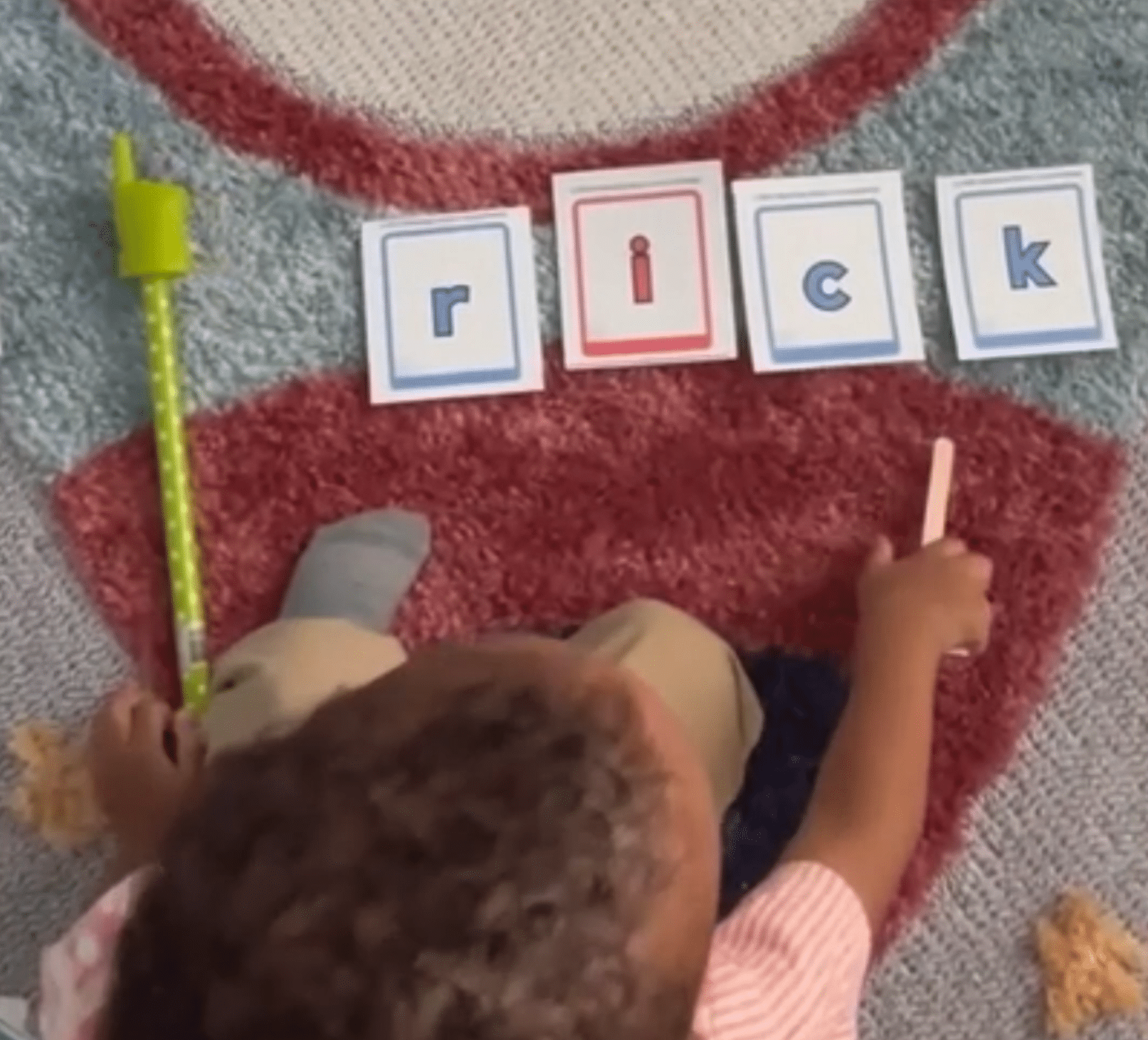
- Beginning to connect letters with sounds
- Developing a love for stories and books
In other words, early language arts is about building the brain pathways that make reading and writing possible later. Children learn language through everyday interaction, through using language in real life, and through repeated exposure to a language-rich routine.
This is why early literacy is often called foundational. Without these building blocks, formal reading instruction can feel confusing and frustrating. With them, reading begins to feel natural—even exciting.
Why Early Language Arts Development Matters So Much
From birth to age five, your child’s brain is developing at an extraordinary pace. During this time, the foundations for language and literacy are being formed.
As explained in the pillar post, these are the “magic years”—a time when:
- The brain is highly adaptable
- Language is absorbed quickly
- Experiences shape long-term learning pathways
Research shows that the language in the early years has a lasting impact on reading skills, language development, and even later academic confidence. When you support language arts during this stage, you are not just teaching skills—you are shaping how your child’s brain processes language for life.
Children who develop strong early literacy foundations tend to:
- Learn to read more easily
- Understand what they read more deeply
- Feel confident in school settings
- Enjoy learning instead of resisting it
And just as importantly, they avoid the frustration that often comes when children are expected to read without the proper foundation.

The Real Building Blocks of Language Arts
Let’s break down the core components of early language arts in a simple, parent-friendly way.
1. Oral Language: The Root of Everything
Before a child can read or write, they must be able to understand and use spoken language.
This includes:
- Vocabulary
- Sentence structure
- Listening comprehension
- Expressing thoughts clearly
You build oral language every time you:
- Talk with your child during daily routines
- Ask open-ended questions
- Expand on what they say
- Narrate what you are doing as you go through the day
This is why conversation—not worksheets—is one of the most powerful tools in early language arts development. It also helps children build language skills in a natural way, especially when home language routines are rich, warm, and responsive.
2. Phonemic Awareness: Hearing the Sounds in Words
Phonemic awareness is one of the most important and often overlooked pieces of early literacy.
It’s the ability to:
- Hear individual sounds in words
- Recognize rhymes
- Blend sounds together
- Break words apart into sounds
For example:
- Knowing that “pig” has three sounds: /p/ /i/ /g/
- Recognizing that “pig” and “wig” rhyme
This skill is critical because reading is built on sound awareness. Children who can hear and play with sounds are much more prepared to connect those sounds to letters later.

3. Letter Knowledge: Connecting Symbols to Sounds
At some point, children need to learn that:
- Letters represent sounds
- Those sounds can be combined to form words
But here’s where many approaches go wrong: They teach letter names first—and delay sound learning.
Strong language arts instruction introduces letters and sounds together, so children immediately understand how reading works. That connection helps children move from memorizing to understanding.
4. Print Awareness: Understanding How Reading Works
Before children can read, they need to understand how print functions.
This includes:
- Knowing that print carries meaning
- Understanding how to hold a book
- Recognizing reading direction
- Seeing the connection between spoken and written words
These small, everyday experiences build confidence and familiarity with books. When you explore books together, you are helping your child notice how print works in a natural, meaningful way.
5. Vocabulary and Comprehension
Language arts is not just about decoding words—it’s about understanding them.
Even before children can read independently, they are developing:
- Vocabulary
- Comprehension
- Thinking skills
You build this through:
- Reading aloud
- Talking about stories
- Connecting books to real life
This is also where reading comprehension begins to take shape. When children hear words, talk about ideas, and revisit stories, they start to understand meaning more deeply and remember new words more easily.
Where Many Language Arts Approaches Fall Short
Many traditional approaches to language arts focus too heavily on:
- Memorization
- Worksheets
- Isolated skills
Or they go in the opposite direction and rely entirely on:
- Exposure without instruction
The problem is that neither extreme works well on its own.
Children need:
- Rich language experiences
- Clear, intentional instruction
That balance matters in the preschool classroom, and it matters at home too. A preschool teacher often blends playful conversation, book reading, and direct support for language development because children need both warmth and structure.

How Jumpstart Kinder Supports Early Language Arts
This is exactly where Jumpstart Kinder, available through readingreadyfoundations.com, comes in.
It was designed specifically to support early language arts development in a way that aligns with how young children actually learn.
Instead of treating skills as separate pieces, Jumpstart Kinder weaves them together into short, engaging, and meaningful lessons.
What Makes It Different?
1. Letters and Sounds Are Taught Together
From the very beginning, children learn:
- What a letter looks like
- What sound it makes
This builds immediate understanding of how reading works and strengthens language skills at the same time.
2. Phonemic Awareness Is Built Daily
Sound play is not a separate activity—it’s woven into every lesson.
Children are constantly:
- Listening for sounds
- Playing with rhymes
- Blending and segmenting words
This strengthens the foundation for reading in a natural way.
3. Lessons Are Short and Play-Based
Young children learn best in small, engaging bursts.
Jumpstart Kinder lessons are:
- 3–5 minutes long, done 2 to 3x a day
- Interactive and fun
- Easy to repeat
This keeps learning stress-free and effective.
4. Multi-Sensory Learning Strengthens Retention
Children:
- See letters
- Hear sounds
- Say them out loud
- Use movement and touch
This multisensory approach helps information stick in the brain. A child might trace a letter while saying the sound, sing the sound in a song, and then use the same sound during reading together time.
5. A Clear Path From Sounds to Reading
The progression follows a natural sequence:
- Sound awareness and letter introduction
- Blending sounds into words
- Reading simple text
- Beginning writing and spelling
This step-by-step approach removes confusion and builds confidence.

Language Arts at Home: What It Looks Like Day-to-Day
You don’t need a classroom setup to support language arts. In fact, the best learning happens in everyday moments.
Here’s what it can look like in your home:
Morning Routine
Talk through what you’re doing. Introduce simple vocabulary, and narrate the routine as you move through the morning. This kind of using language in context helps children absorb new words without pressure.
Mealtime
Ask questions, expand language, and respond to your child’s ideas. A child who hears thoughtful conversation during meals is getting more than manners—they are building language development.
Playtime
Short lessons with Jumpstart Kinder can fit into play naturally. Use rhymes and songs, play sound games, or try “I Spy” with beginning sounds. A toddler especially benefits from repeated, fun sound play because it strengthens language skills during a key milestone period.
Reading Time
Point to words, ask simple questions, and talk about pictures. A child who hears book reading often develops stronger vocabulary development and better comprehension over time.
Short Lessons
Three to five minutes of focused learning can be enough when done consistently. Reinforcing letters and sounds through tracing, naming, and talking gives preschool children repeated practice without overwhelming them.
These small moments add up to powerful language arts development.
Confidence Is the Hidden Goal of Language Arts
One of the most overlooked outcomes of early language arts is confidence.
When children:
- Understand how language works
- Recognize letters and sounds
- Can begin reading simple words
They start to believe: “I can do this.”
That confidence grows when you help children explore books, hear new words, and connect stories to real life. It also grows when a preschool teacher or parent responds patiently and positively to each attempt.
Without confidence, reading can feel overwhelming. With it, reading becomes exciting.
Connecting Back to the Bigger Picture
If you think back to the pillar post—Homeschool Kindergarten Curriculum: How to Teach Your Child to Read at Home—you’ll remember that early learning is about building the foundation, not rushing the outcome.
Language arts fits perfectly into that idea. It’s not about:
- Pushing early reading
- Creating pressure
- Skipping childhood
It’s about:
- Nurturing development
- Supporting the brain
- Creating positive learning experiences
When you approach language arts this way, you’re not just preparing your child for kindergarten—you’re preparing them for a lifetime of learning.

Why Starting Early Makes All the Difference
Waiting until kindergarten to focus on language arts often means:
- Catching up instead of building ahead
- Filling in gaps under pressure
- Watching confidence struggle
Starting early means:
- Building skills gradually
- Learning through play
- Creating strong, lasting pathways
And the best part? It doesn’t require hours of work.
Just:
- Consistency
- Intention
- The right guidance
This is where a rich language environment matters most. When your child hears, sees, and uses language often, they are more likely to develop strong language skills that support later reading success.
Your Role in Your Child’s Language Arts Journey
You don’t need to be a teacher to support language arts.
You just need to be:
- Present
- Engaged
- Encouraging
With a program like Jumpstart Kinder on readingreadyfoundations.com, you also have:
- A clear roadmap
- Simple lessons
- Step-by-step support
Your role is not perfection—it’s connection.
That connection helps children learn language naturally, strengthens language in the early years, and supports literacy instruction without turning home into a classroom.
The Long-Term Impact of Strong Language Arts Foundations
When children develop strong early literacy skills, they:
- Read more easily
- Understand more deeply
- Enjoy learning more fully
They also avoid the cycle of:
- Struggle
- Frustration
- Self-doubt
Instead, they move forward with confidence and curiosity. Over time, their children’s vocabulary expands, their language skills deepen, and their reading skills become more secure.

Final Thoughts: Building Language Arts the Right Way
Language arts is not something that begins in school.
It begins with you.
In your conversations.
In your routines.
In the small, meaningful moments you share with your child.
When you combine those moments with a thoughtful, research-based approach like Jumpstart Kinder, you create something powerful:
- A strong foundation for reading
- A confident learner
- A child who is ready—not just for kindergarten, but for life
If you haven’t already, I encourage you to revisit the pillar post, Homeschool Kindergarten Curriculum: How to Teach Your Child to Read at Home, to see how all of this fits into the bigger picture of early childhood development.
And when you’re ready to take the next step, visit readingreadyfoundations.com to explore how Jumpstart Kinder can support your child’s language arts journey from the very beginning.
Because the goal isn’t just to teach reading.
It’s to build a child who loves learning, understands language, and believes in themselves every step of the way.
Take the Next Step in Your Child’s Literacy Journey With Confidence
Download My Free Reading Ready for Kinder Parent Guide
L.T. Lyles, M.Ed., is the founder of Reading Ready Foundations and creator of Jumpstart Kinder. With over 30 years of experience as a classroom teacher, reading interventionist, and literacy consultant—she is passionate about equipping parents with the tools to build confident readers from the ground up.